How to Build AI-Powered Chatbots into Your Mobile App in 2026
-
 Harshid Patel
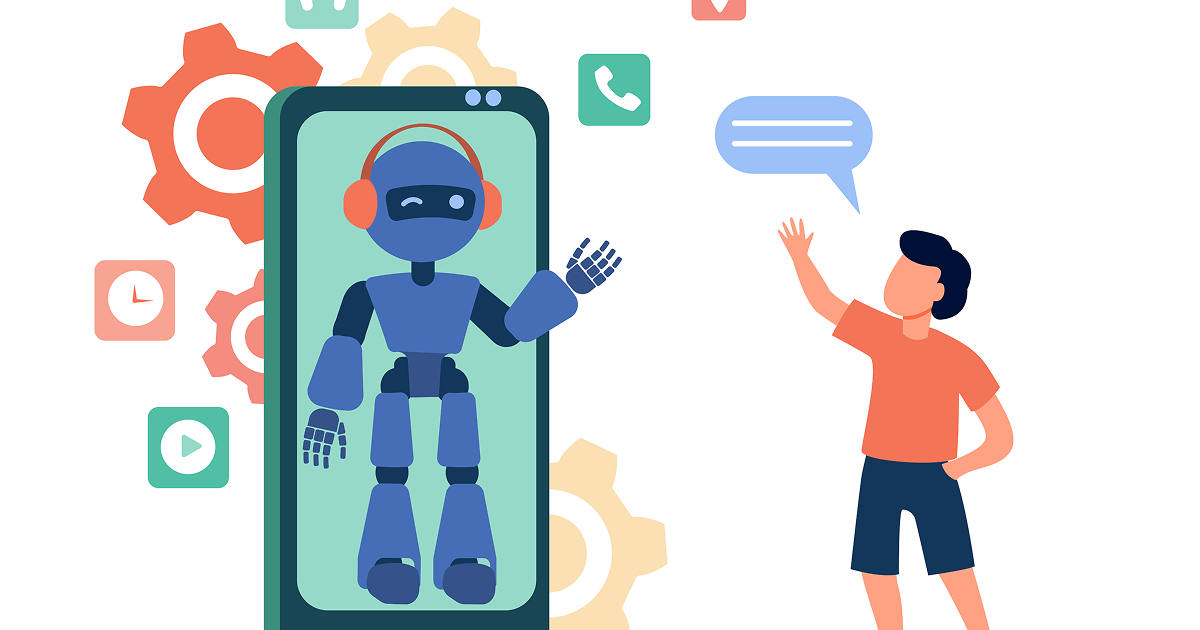
Customer support has changed completely in the last few years. People using mobile apps now expect instant answers to their questions at any time of day. Hiring support teams for 24/7 service is expensive and not practical for most businesses. This is where AI-powered chatbots come in. These smart chatbots can answer customer questions, help with orders, and solve common problems automatically. In 2026, chatbots have become so good that users often cannot tell if they are talking to a bot or a human. Adding an AI chatbot to your mobile app improves customer satisfaction while reducing support costs significantly. This blog explains how businesses can actually build and integrate AI chatbots into their mobile apps and what benefits they can expect.
Why Mobile Apps Need AI Chatbots in 2026
AI chatbots solve real problems that businesses face every day.
People using mobile apps do not want to wait hours for email responses or call during business hours. They expect immediate help whether it is 2 PM or 2 AM. AI chatbots provide instant responses 24/7 without making customers wait.
Hiring and training support staff is expensive. Each support person can handle only a few chats at once. AI chatbots can handle hundreds of conversations simultaneously at a fraction of the cost.
When users get quick help inside the app, they spend more time using it and are more likely to complete purchases. Good chatbot experiences make people open the app more often and recommend it to friends.
Key Features Modern AI Chatbots Should Have
Building effective chatbots requires specific capabilities that users expect.
Modern AI chatbots should understand how people actually talk, including slang and spelling mistakes. Users should not type commands in specific formats. The chatbot should understand “need help with order” just as well as “I want to check my order status.”
Good AI chatbots remember previous conversations with the same user. If someone asked about a product yesterday, the chatbot should recall that context today. This personalization makes interactions feel more human and helpful.
For apps used in India, chatbots should work in Hindi, Tamil, Telugu, and other regional languages beyond just English. Users feel more comfortable getting help in their preferred language, which increases satisfaction.
Steps to Build AI Chatbot for Your Mobile App
Following a clear process helps create chatbots that actually work well.
Start by listing questions your support team answers repeatedly. Check app reviews and support tickets to find patterns. Most businesses find that 60-70% of questions are repetitive and perfect for chatbot handling.
Several platforms make chatbot building easier. OpenAI provides powerful language models, while Dialogflow and Microsoft Bot Framework offer complete solutions. Your choice depends on budget, technical skills, and specific needs.
Feed your chatbot actual customer conversations and support tickets. The more real examples it learns from, the better it handles new questions. Include examples of both good answers and common mistakes to avoid.
Popular AI Technologies Used in Chatbots
GPT-4 and similar models power the most advanced chatbots today. They understand context, generate human-like responses, and handle complex questions. These models work through APIs that connect easily to mobile apps.
Chatbots use machine learning to get smarter over time. They analyze which responses work well and which confuse users. This automatic improvement means your chatbot keeps getting better without constant manual updates.
NLP helps chatbots understand the intent behind user messages. Even if someone phrases a question differently, NLP identifies what they actually want. This technology has improved dramatically in the last two years.
Integration Process with Mobile Applications
The chatbot needs to connect to your app’s database to access order information, account details, and product data. APIs act as bridges letting the chatbot fetch and update information securely.
The chat window should match your app’s design and feel natural. Simple text bubbles work best on mobile screens. Add quick-reply buttons for common questions to make interactions faster.
Run beta tests with small user groups before full launch. Watch how people interact with the chatbot and where they get confused. Fix problems based on real feedback rather than assumptions.
Common Challenges and How to Solve Them
Keep the chatbot’s knowledge updated with latest product info, policies, and prices. Set up weekly reviews of chatbot responses. Have a clear handoff process to human agents when the bot is unsure.
Design the chatbot to recognize when questions are too complex. Include an easy option to connect with human support. Good chatbots know their limitations and escalate appropriately
Avoid making chatbots sound too robotic or overly formal. Use conversational language your customers actually use. Companies like ngendev technolab help design chatbot personalities that match brand voice and connect with users naturally.
Conclusion
Building AI-powered chatbots into mobile apps has become easier and more valuable in 2026. Modern chatbots provide instant help to users while reducing business costs significantly. The key is starting with common customer questions, choosing appropriate AI technology, and training the chatbot with real data. Integration with mobile apps is straightforward when working with experienced developers who understand both AI and mobile platforms. Success comes from continuous improvement based on user feedback and tracking the right metrics. Businesses that implement chatbots well see happier customers, lower support costs, and better app engagement. The technology has matured to the point where every mobile app serving customers should seriously consider adding AI chatbot capabilities.
Frequently Asked Questions
Modern AI chatbots handle Hindi, Tamil, Telugu, and other Indian languages quite well in 2026. They understand common phrases and can respond naturally. However, very regional dialects or mixed language conversations still need improvement and human backup.
A basic chatbot handling common questions takes 3-4 weeks to build and test. More complex chatbots with personalization and multiple integrations need 6-8 weeks. The timeline depends on how much training data is available.
Small businesses can definitely use AI chatbots through affordable cloud-based solutions. Monthly costs start from ₹15,000-₹30,000 depending on usage. The support cost savings usually cover chatbot expenses within 3-4 months.
Good chatbots recognize when they do not know an answer and immediately offer to connect with human support. They should never make up answers or frustrate users with wrong information. Clear escalation paths are essential.
Ngendev technolab specializes in building AI-powered chatbots customized for different industries and mobile apps. They handle everything from chatbot design and training to integration with existing apps and ongoing improvements based on user interactions.
Get Free consultation and let us know about your custom web and Mobile App project idea
Over 14+ years of work experience, we have built 210+ web and mobile apps
We can help you with
- Dedicated Developer
- delivering high-quality development
- Custom Mobile App Development
- Innovative Solution For Startups and Enterprise
Latest Blogs
Explore the Latest Blogs on Trends and Technology.