Complete Cost Guide for Fintech App Development in 2026
-
 Harshid Patel
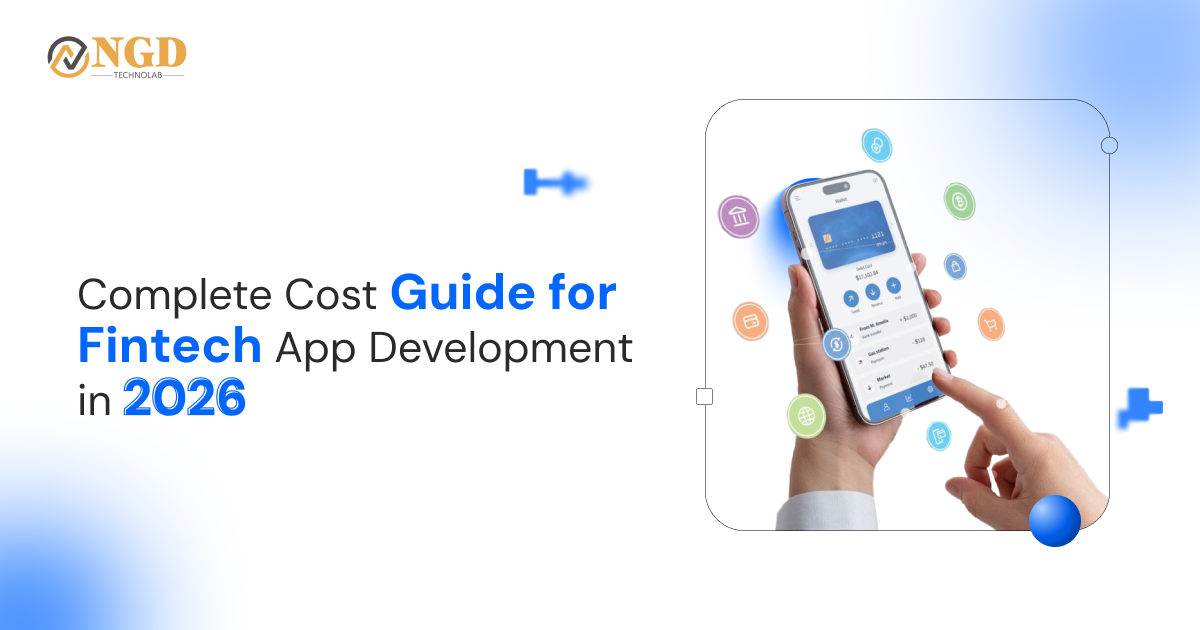
Fintech apps have completely changed how people handle banking, payments, investments, and financial services. In 2026, more businesses are building fintech apps because digital payments and mobile banking have become essential. But one important question every startup asks is: How much does fintech app development cost?
Fintech pricing depends on features, security layers, compliance needs, platform choice, UI/UX design, and maintenance. In this blog, we break down the full cost structure so you can budget properly and build a competitive fintech app successfully.
Android Studio: Unveiling the Power of Android App Development
Development Complexity and Features Cost
Simple apps like UPI payments or wallet-based services are affordable since they need fewer security layers and basic screens. They are ideal for businesses starting digital payment services with limited budgets.
Investment tools, peer-to-peer lending, loan automation, and smart budgeting features require detailed coding and advanced functionality. The more features added, the more development hours required, increasing cost.
Fintech apps often offer smart suggestions to users such as spending analysis or credit score insights. These require AI and data analytics integration, which raises overall pricing but boosts user engagement.
Real-time fraud detection systems and automated KYC verification require strong backend security and additional APIs, resulting in higher development investment but better safety.
Apps that support large user bases need scalable architecture to avoid server crashes during high usage. Extra cost ensures smooth performance and great user experience even under heavy load.
Strong Security & Compliance Requirements Pricing
Fintech apps handle sensitive data like card numbers and bank records. High-standard encryption protects users from hacking risks, making the app secure but increasing security cost.
Features like OTP login, biometrics, and secure token verification improve app safety. Extra coding time and specialized testing raise development cost.
Australian financial rules like AML (Anti-Money Laundering) and PCI-DSS compliance add mandatory expenses to keep the app legally approved for banking operations.
Services such as Google Pay, PayPal, Stripe, or banking gateways require secure API integrations to ensure smooth transactions for users.
Firewall, risk monitoring, and data backup systems are important to save the business from damage during security threats or system failure.
UI/UX Design & User Flow Optimization Cost
Fintech apps must be easy to use for people of all ages. Clear design improves trust and user retention but takes time to plan properly.
Before coding, designers create app flows to reduce confusion during money transfer, bill payments, or loan requests. This design phase adds cost but improves success rate.
Custom icons, color themes, and typography help build strong brand recognition and trust in financial services, especially in Australia’s competitive digital banking market.
Smooth animations during transactions help users feel secure and guide them throughout the app process. It enhances experience but needs expert-level UI skills.
Fintech apps must follow accessibility practices to support users with visual or physical limitations, improving usability for everyone.
Backend Engineering & Data Infrastructure Cost
Fast transactions and live account updates are must-have features. Servers, databases, and APIs must perform quickly under large traffic loads.
Fintech apps require strong hosting setups like AWS or Google Cloud for secure data management. Higher hosting configuration increases the price but ensures reliability.
Smart dashboards help businesses monitor transactions, user behavior, and fraud detection — improving business decisions and customer support quality.
Fintech apps depend heavily on third-party data sources. Every external API added increases development resources and specialized talent requirements.
To maintain uptime and release quick updates, DevOps practices are used. This ensures stability but requires additional cost.
Testing, Security Audits & QA Cost
Developers test every button and transaction flow to ensure a smooth experience. This avoids app crashes and protects reputation.
Apps are tested under heavy usage to make sure servers don’t slow down when many transactions are happening at once — essential for fintech success.
Security professionals try hacking techniques to identify weak points. Fixing these issues ensures safety but increases the required hours.
Australian financial regulations require secure verification and documentation to prove the app protects customer data properly.
Even after launch, testing teams monitor feedback, update performance, and fix any newly discovered bugs.
Testing, Security Audits & QA Cost
Hackers always find new ways to break systems, so updating security measures is important. Continuous updates add monthly maintenance cost.
Fintech companies integrate new options like crypto wallets, EMI calculators, or investment plans. Extra features increase long-term development expense.
Mobile OS updates require regular testing and fixes to keep apps running smoothly across Android and iOS versions.
In-app support chat, customer ticketing, and 24/7 help desks improve user trust and satisfaction but add operational cost.
As the app grows, more users means more servers and support tools — which increases budget needs.
Conclusion
Fintech app development cost in 2026 depends on security features, platform choice, complexity, and maintenance needs. Building a strong and secure fintech app is a smart investment because users trust reliable digital services for managing money. Choosing professional developers with fintech experience ensures high-level security, great user experience, and faster growth opportunities.
Frequently Asked Questions
High-level encryption, KYC verification, multi-factor login, and safe payment gateways are essential to protect users and financial data.
Development time depends on features and security needs. Simple fintech apps take a few months, while advanced financial platforms take longer to complete.
Security layers, banking API integration, data servers, legal compliance, and testing work increase the development budget.
Businesses should choose experienced fintech developers who understand financial industry rules and build stable transaction systems.
NGD Technolab provides secure and scalable fintech app solutions with modern features and strong backend development services.
Get Free consultation and let us know about your custom web and Mobile App project idea

Over 14+ years of work experience, we have built 210+ web and mobile apps
We can help you with
- Dedicated Developer
- delivering high-quality development
- Custom Mobile App Development
- Innovative Solution For Startups and Enterprise
Latest Blogs
Explore the Latest Blogs on Trends and Technology.