Wearable App Development Services: Fitness and Health Monitoring Solutions
-
 Prashant Padmani
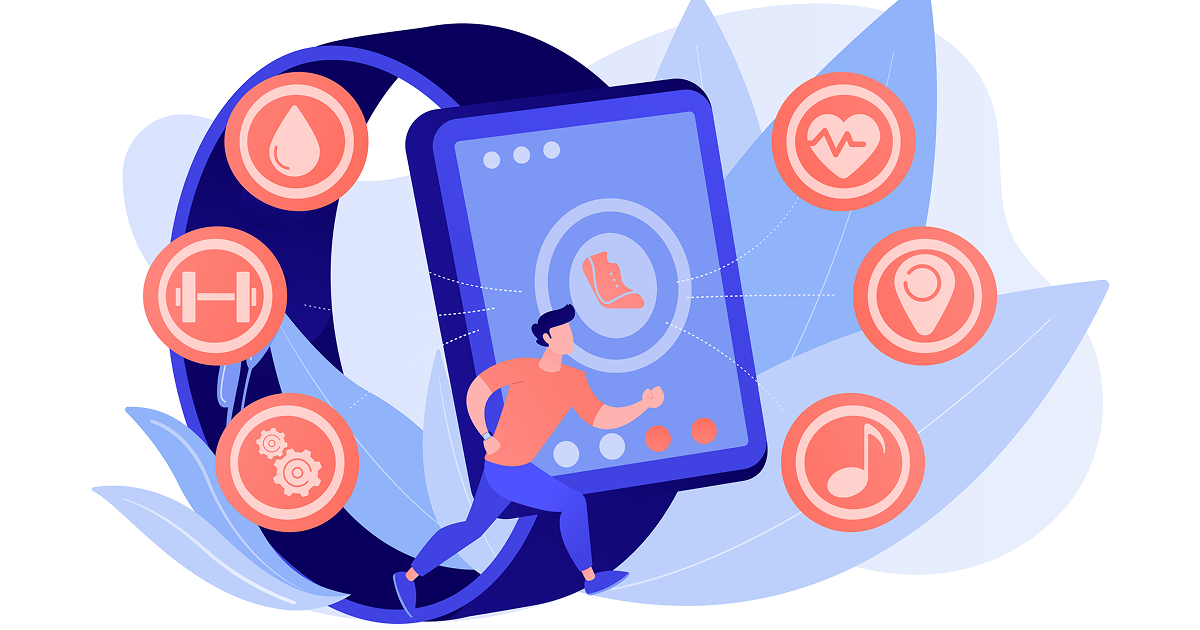
Smartwatches and fitness bands are no longer just for counting steps. In 2026, wearable devices have become essential health monitoring tools tracking everything from heart rate to sleep quality and blood oxygen levels. The global wearable health technology market has crossed $100 billion with users expecting sophisticated apps that help them understand and improve their health. Developing apps for wearables requires specialized knowledge different from regular mobile app development. Small screens, limited battery life, and continuous sensor data processing create unique challenges. However, the opportunities are enormous as healthcare providers, fitness companies, and wellness brands invest heavily in wearable solutions.
Understanding Wearable Device Capabilities
Modern wearables pack impressive sensors and features in tiny devices worn on wrists.
Today’s smartwatches monitor heart rate continuously, track blood oxygen levels, measure stress through heart rate variability, and even detect irregular heartbeats. Some devices include temperature sensors, ECG capabilities, and fall detection. Understanding which sensors your target devices support is crucial for app planning.
Wearables must last full day or longer on single charge. Apps running background processes constantly drain batteries quickly. Efficient coding and smart data collection strategies balance functionality with battery conservation. Users abandon apps that kill battery life.
Smartwatch screens are 1-2 inches requiring completely different interface design than phones. Information must be glanceable and actionable with minimal taps. Complicated interfaces fail on tiny displays where simplicity is essential.
Key Features Users Expect
Successful wearable health apps include specific capabilities users now consider standard.
Steps, distance, calories burned, and active minutes track automatically throughout the day. Users check progress with quick glances without pulling out phones. Accurate tracking requires optimized algorithms interpreting sensor data correctly.
Continuous or on-demand heart rate measurement helps users understand cardiovascular health. Apps should alert users about unusually high or low heart rates indicating potential health issues. Historical heart rate data reveals fitness improvements over time.
Wearables track sleep stages including light, deep, and REM sleep providing insights into rest quality. Sleep data helps users understand factors affecting sleep quality. Recommendations for improving sleep based on patterns add value beyond simple tracking.
Technical Implementation Considerations
Building wearable apps requires specific technical approaches and tools.
Apple Watch apps use WatchOS and Swift while Wear OS apps use Android and Kotlin. Each platform has unique capabilities and design guidelines. Cross-platform tools like Flutter now support wearables reducing development effort.
Processing sensor data directly on wearables reduces battery drain from constant phone communication. On-device machine learning enables smart features without cloud dependency. Balancing on-device and cloud processing optimizes performance and battery life.
Health data is extremely sensitive requiring strong encryption and secure storage. Compliance with healthcare regulations like HIPAA is mandatory for medical applications. Clear privacy policies and user data controls build trust essential for health apps.
Healthcare Integration Opportunities
Sharing wearable data with healthcare providers enables remote patient monitoring. Doctors receive alerts about concerning health metrics between appointments. Integration reduces unnecessary clinic visits while improving care quality.
Wearables can remind users to take medications and confirm compliance. Medication adherence tracking helps doctors understand treatment effectiveness. Smart reminders at optimal times improve patient outcomes.
Diabetics, hypertension patients, and others with chronic conditions benefit from continuous monitoring. Apps can alert about dangerous health metric changes requiring immediate attention. Disease-specific features provide targeted support for different conditions.
Market Opportunities and Business Models
Basic tracking offered free while advanced features like detailed analytics require subscriptions. Monthly or annual subscription models provide recurring revenue. Premium features must deliver clear value justifying ongoing payments.
Companies purchase wearable app licenses for employee wellness initiatives. Corporate wellness market is growing as businesses recognize health benefits and productivity improvements. B2B sales provide larger contracts than individual consumers.
Hospitals and clinics license monitoring solutions for patient care programs. Insurance companies partner with wearable apps offering premium discounts for healthy behaviors. Healthcare partnerships provide validation and distribution channels.
Conclusion
Wearable app development for fitness and health monitoring represents significant opportunity in 2026. Users expect comprehensive tracking, real-time insights, and actionable health guidance from their devices. Successful apps balance rich functionality with battery efficiency and simple interfaces suited for tiny screens. Advanced sensors enable continuous health monitoring previously requiring medical equipment. Integration with healthcare systems creates value for patients and providers alike. Multiple business models from subscriptions to corporate wellness programs offer revenue opportunities. Technical implementation requires platform-specific expertise and understanding of wearable constraints. Privacy and security are non-negotiable for health data applications.
Frequently Asked Questions
Basic fitness tracking apps take approximately 3-5 months to develop and launch. Comprehensive health monitoring solutions with multiple features require 6-10 months. Timeline depends on feature complexity and platform requirements.
Yes, wearables collect and store data locally working without constant phone connection. Data syncs automatically when devices reconnect. Most features work independently though some require phone for detailed analysis.
Battery life optimization, small screen interface design, and accurate sensor data interpretation are primary challenges. Balancing functionality with performance requires careful technical decisions. Platform-specific limitations create additional constraints.
Basic wearable fitness apps cost approximately 8-15 lakhs for single platform. Comprehensive health monitoring solutions range from 18-35 lakhs depending on features. Cross-platform development reduces costs compared to separate native apps.
Apps providing medical advice or diagnosis require regulatory approval and HIPAA compliance. General fitness tracking apps have fewer requirements but must still protect user data. Consulting healthcare regulatory experts ensures proper compliance.
Get Free consultation and let us know about your custom web and Mobile App project idea

Over 14+ years of work experience, we have built 210+ web and mobile apps
We can help you with
- Dedicated Developer
- delivering high-quality development
- Custom Mobile App Development
- Innovative Solution For Startups and Enterprise
Latest Blogs
Explore the Latest Blogs on Trends and Technology.