Custom ERP Development for Manufacturing Companies in India
-
 Harshid Patel
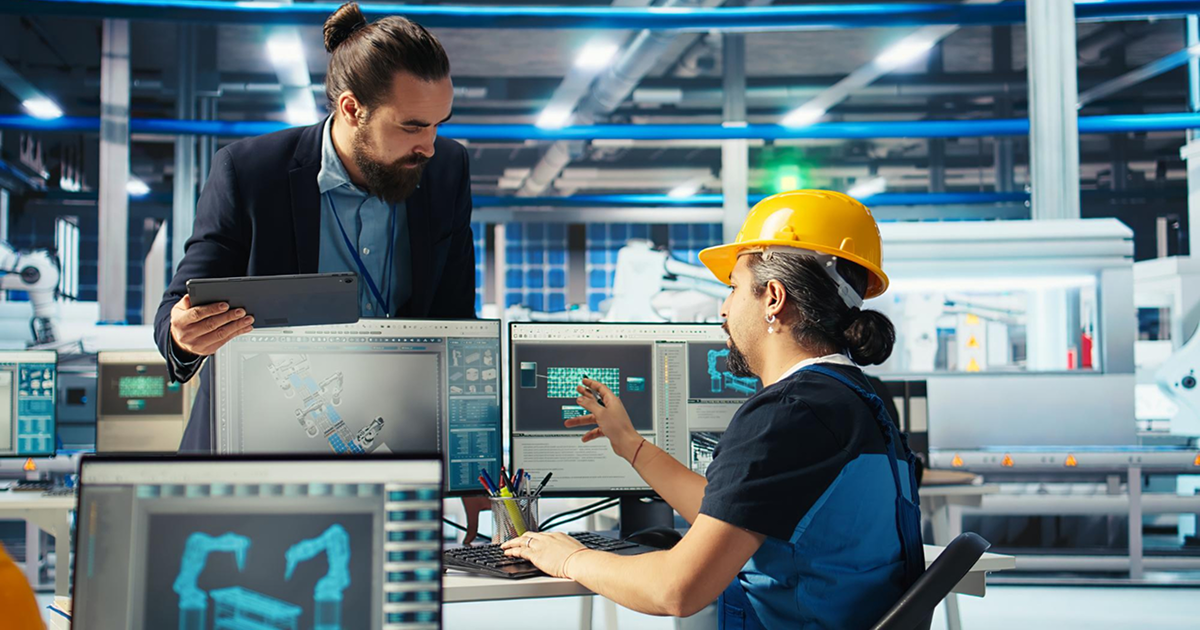
Manufacturing companies in India struggle with disconnected systems where production, inventory, sales, and accounting data exist in separate software or spreadsheets. Workers waste hours manually transferring information between systems creating errors and delays. In 2026, custom ERP systems have become essential for Indian manufacturers wanting to compete globally. ERP brings all business processes into one connected platform where information flows automatically. Production managers see real-time inventory, finance teams access current production costs, and sales knows exactly what can be delivered when. Custom ERP built specifically for Indian manufacturing needs costs 40-60% less than international solutions while fitting local business practices perfectly. This blog explains why Indian manufacturers need custom ERP and what features truly matter for production efficiency.
Why Indian Manufacturers Need Custom ERP
Off-the-shelf international ERP rarely fits Indian manufacturing realities and budgets.
Indian manufacturers operate differently than Western factories with unique vendor relationships and production methods. Generic ERP forces businesses to change successful processes fitting software limitations. Custom ERP adapts to how Indian factories actually work.
Indian tax laws, labor regulations, and compliance requirements are complex and change frequently. International ERP requires expensive customization handling GST, e-invoicing, and Indian accounting standards. Custom-built solutions include Indian compliance from the beginning.
International ERP licenses cost crores with implementation taking years. Custom ERP built locally costs 15-40 lakhs typically with 6-12 month implementation. Lower costs make sophisticated ERP accessible to mid-sized Indian manufacturers.
Essential ERP Features for Manufacturing
Specific capabilities separate useful ERP from expensive software nobody uses.
ERP should create production schedules based on orders, machine availability, and raw material stock. Manufacturers see exactly what to produce when and with which resources. Automated scheduling reduces production delays 30-50%.
Track raw materials, work-in-progress, and finished goods across multiple locations in real-time. Automatic alerts prevent stockouts while reducing excess inventory sitting in warehouses. Better inventory control typically reduces working capital needs 20-35%.
Record quality checks at each production stage with photo evidence and measurements. Track which batches used which raw materials enabling recalls if needed. Quality documentation satisfies customer audits and certifications.
Calculate actual production costs including materials, labor, overhead, and machine time automatically. Connect production data directly to accounting eliminating manual reconciliation. Accurate costing improves pricing decisions and profitability.
Industry-Specific Customization
Different manufacturing types need specialized ERP features and workflows.
Companies making distinct items like machinery, electronics, or automotive parts need bill-of-materials management. Track assemblies, sub-assemblies, and components through production. Discrete manufacturing ERP handles complex product structures.
Food, chemicals, and pharmaceuticals mixing raw materials need recipe management and batch tracking. Monitor temperature, timing, and ingredient ratios ensuring consistent quality. Process manufacturing requires different features than discrete production.
Manufacturers making custom products per order need project-based production tracking. Each order is unique requiring flexible workflows and costing. Job shop ERP handles variability that standard manufacturing systems cannot.
Implementation Approach for Success
Begin with production planning and inventory management delivering immediate value. Add accounting, sales, and other modules progressively. Phased approach reduces risk and proves value quickly.
ERP only works if people use it correctly and consistently. Hands-on training in actual work environments works better than classroom sessions. Well-trained teams adopt new systems 60-80% faster.
Existing data in spreadsheets and old systems must transfer to new ERP. Clean data before migration removing duplicates and errors. Good migration prevents garbage-in-garbage-out problems.
Benefits Indian Manufacturers Achieve
Automated scheduling and better coordination reduce production time 25-40% typically. Faster production means quicker delivery and higher customer satisfaction. Speed improvements directly increase capacity without capital investment.
Real-time visibility prevents overstocking while avoiding stockouts. Manufacturers reduce inventory 20-35% while improving availability. Lower inventory frees working capital for business growth.
Better production planning and realistic delivery dates improve on-time delivery from 60-70% to 90-95%. Reliable delivery builds customer trust and repeat business. Delivery performance often matters more than price for B2B customers.
Choosing the Right ERP Development Partner
Choose developers who have built ERP for manufacturers previously. They understand production workflows, quality requirements, and inventory challenges. Industry experience prevents expensive mistakes and rework.
Having developers nearby enables quick problem resolution and training support. Remote international vendors struggle understanding Indian manufacturing realities. Local partners provide ongoing support in regional languages.
Get detailed proposals explaining what is included and what costs extra. Clear timelines with milestone deliverables enable tracking progress. Transparency builds trust essential for long-term partnership.
Conclusion
Custom ERP development has become essential for Indian manufacturing companies wanting to compete effectively in 2026. Off-the-shelf international solutions are too expensive and poorly fitted to Indian business practices. Custom ERP built locally costs 40-60% less while including GST compliance and local workflows natively. Essential features include production planning, inventory management, quality control, and financial integration. Industry-specific customization ensures ERP matches whether business does discrete, process, or job shop manufacturing. Phased implementation starting with critical modules reduces risk while proving value quickly. Real benefits include 25-40% faster production, 20-35% lower inventory, and significantly improved profit margins.
Frequently Asked Questions
Custom ERP for mid-sized manufacturers costs approximately 15-40 lakhs depending on features and complexity. Implementation typically takes 6-12 months from planning to full deployment. Costs are 40-60% lower than international ERP solutions.
Yes, modern ERP can connect with factory machines and equipment through IoT sensors and APIs. Real-time machine data improves scheduling and maintenance planning. Integration capabilities should be confirmed during vendor selection.
Custom ERP can be modified to accommodate process changes and business growth. Modular architecture enables adding features without disrupting existing functionality. Flexibility is major advantage over rigid packaged software.
Modern ERP interfaces are designed for factory floor workers with minimal computer experience. Touch-screen interfaces and simple workflows work for all skill levels. Proper training enables successful adoption across organizations.
Most manufacturers see positive ROI within 18-24 months through efficiency gains and cost reductions. Quick wins from inventory optimization and production scheduling show benefits within 3-6 months. Long-term benefits compound as more modules get implemented.
Get Free consultation and let us know about your custom web and Mobile App project idea
Over 14+ years of work experience, we have built 210+ web and mobile apps
We can help you with
- Dedicated Developer
- delivering high-quality development
- Custom Mobile App Development
- Innovative Solution For Startups and Enterprise
Latest Blogs
Explore the Latest Blogs on Trends and Technology.