How Much Does It Cost to Develop a Food Delivery App
-
 Harshid Patel
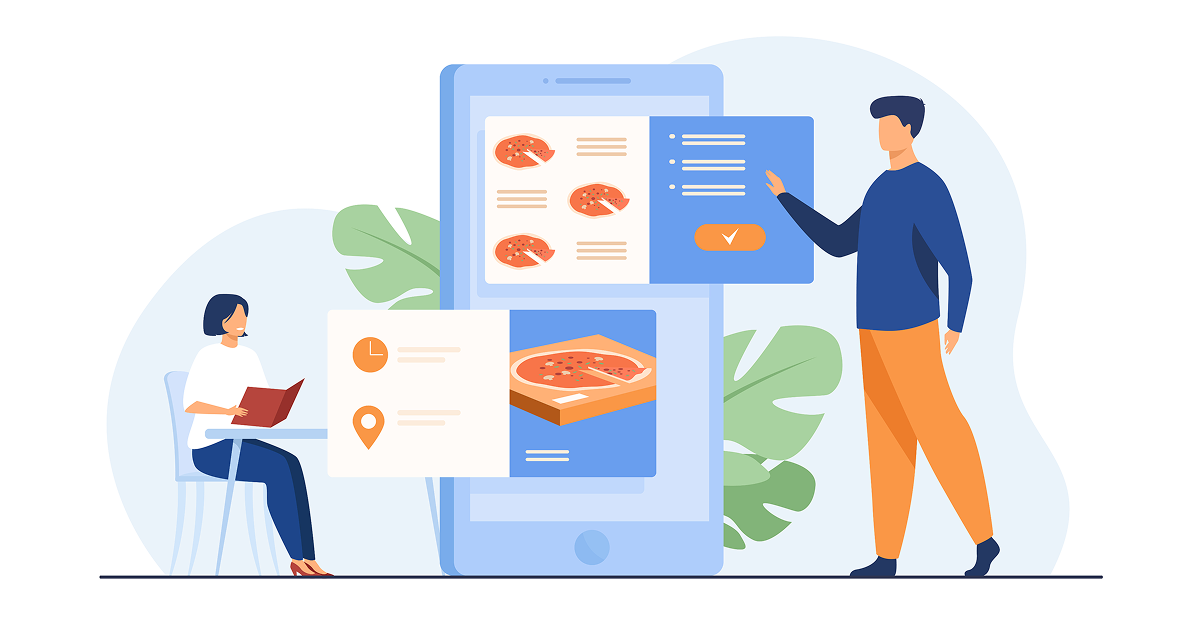
Food delivery apps have become essential services in Indian cities with Swiggy and Zomato leading the market. Many businesses want their own food delivery platforms but struggle understanding actual development costs. In 2026, building a food delivery app is more affordable than ever with improved technology and experienced developers. However, costs vary dramatically based on features, design complexity, and platform choices. A basic app costs very different from comprehensive platform matching major players. Understanding what drives costs helps businesses budget correctly and avoid expensive surprises. This blog breaks down actual food delivery app development costs in simple language explaining what affects the final price.
Basic App vs Full-Featured Platform
The biggest cost driver is how many features your app includes.
A minimum viable product with basic ordering, payment, and delivery tracking costs approximately 8-15 lakhs. This includes customer app, delivery partner app, and restaurant admin panel. MVP launches quickly in 3-5 months testing market demand before bigger investment.
Complete platforms matching Swiggy or Zomato with advanced features cost 25-60 lakhs or more. This includes AI recommendations, loyalty programs, multiple payment options, and detailed analytics. Full platforms take 8-12 months to develop and launch.
Each feature added increases development time and complexity. GPS tracking, real-time notifications, and payment gateway integration each add costs. Complex features like AI recommendations and dynamic pricing require specialized expertise increasing expenses.
Platform Choice Impact on Cost
Building for Android, iOS, or both significantly affects budget.
Starting with Android only costs approximately 8-18 lakhs for full platform. Android dominates Indian market with 95%+ smartphone users. Many successful apps launch Android-first adding iOS later.
Building native apps for both platforms costs approximately 18-35 lakhs. Each platform needs separate development, testing, and maintenance. Native development delivers best performance and user experience.
React Native or Flutter reduces costs to approximately 12-25 lakhs for both platforms. Single codebase works on Android and iOS cutting development time. Cross-platform saves 30-40% compared to separate native development.
Essential Feature Cost Breakdown
Understanding individual feature costs helps prioritize within budget.
Basic login and profile creation costs approximately 50,000-1.5 lakhs. Adding social media login and profile customization increases costs. This foundational feature is necessary for any app.
Displaying restaurants with menus, photos, and details costs approximately 1-2.5 lakhs. Advanced filtering, search, and categorization add functionality. Quality implementation affects user experience significantly.
Order flow from cart to checkout with real-time tracking costs approximately 2-4 lakhs. This core functionality requires careful design and testing. Poor implementation frustrates users causing abandonment.
Hidden Costs Often Overlooked
Professional UI/UX design costs approximately 2-5 lakhs depending on complexity. Good design significantly impacts user adoption and retention. Skimping on design hurts long-term success.
Server setup, database design, and API development cost approximately 3-8 lakhs. Scalable infrastructure prevents problems as user base grows. Infrastructure quality affects performance and reliability.
Comprehensive testing across devices and scenarios costs approximately 1.5-4 lakhs. Testing prevents bugs frustrating users after launch. Proper QA reduces maintenance costs significantly.
Preparing apps for store submission including compliance requirements costs approximately 50,000-1.5 lakhs. Meeting store guidelines prevents rejection delays. Initial submission is just beginning of compliance journey.
Ongoing Monthly Costs
Cloud hosting typically costs approximately 30,000-1.5 lakhs monthly depending on users. Costs scale with traffic and data storage needs. Efficient architecture reduces hosting expenses.
Payment processors charge 1.5-2.5% per transaction plus fixed fees. These costs increase proportionally with order volume. Gateway selection affects transaction profitability.
Monthly maintenance including bug fixes and updates costs approximately 40,000-1.2 lakhs. Operating system updates require app compatibility changes. Neglecting maintenance causes performance degradation.
Ways to Reduce Development Costs
Launching in one city reduces complexity and initial investment. Proving model in limited area before expansion reduces risk. Geographic focus enables better service quality initially.
Standard technologies cost less than experimental ones requiring specialized expertise. React Native, Node.js, and MongoDB are reliable choices. Proven stacks have more developers available.
Launch with core features adding advanced capabilities later based on feedback. Progressive enhancement spreads investment over time. Users appreciate steady improvements over time.
Conclusion
Food delivery app development costs in 2026 range from approximately 8-15 lakhs for basic MVP to 25-60 lakhs for comprehensive platforms. Platform choice between Android-only, both platforms, or cross-platform significantly impacts budget. Essential features like ordering, payments, and tracking each contribute specific costs totaling significant amounts. Hidden costs including design, infrastructure, testing, and compliance add 30-40% beyond pure development. Ongoing monthly costs for hosting, maintenance, and marketing continue indefinitely. Smart strategies like starting single-city, using proven technology, and phased rollout reduce expenses without compromising quality. Experienced development partners prevent costly mistakes while accelerating time to market.
Frequently Asked Questions
Minimum viable food delivery app requires approximately 8-15 lakhs for development. Additional 2-3 lakhs covers initial hosting, marketing, and operations. Starting lean with essential features minimizes initial investment.
Basic MVP takes approximately 3-5 months from planning to launch. Comprehensive platform requires 8-12 months including all features and testing. Timeline depends on feature complexity and team size.
Three separate apps work better as each user type has different needs. Customer, restaurant, and delivery partner interfaces require specialized features. Single app trying to serve all becomes confusing and inefficient.
Monthly costs including hosting, maintenance, and support run approximately 1-3 lakhs initially. Costs scale with user base growth and transaction volume. Marketing spend adds significantly depending on growth targets.
Custom development costs more initially but differentiates your service. Cloning established apps creates direct competition without unique value. Customization based on specific market needs provides competitive advantage.
Get Free consultation and let us know about your custom web and Mobile App project idea
Over 14+ years of work experience, we have built 210+ web and mobile apps
We can help you with
- Dedicated Developer
- delivering high-quality development
- Custom Mobile App Development
- Innovative Solution For Startups and Enterprise
Latest Blogs
Explore the Latest Blogs on Trends and Technology.