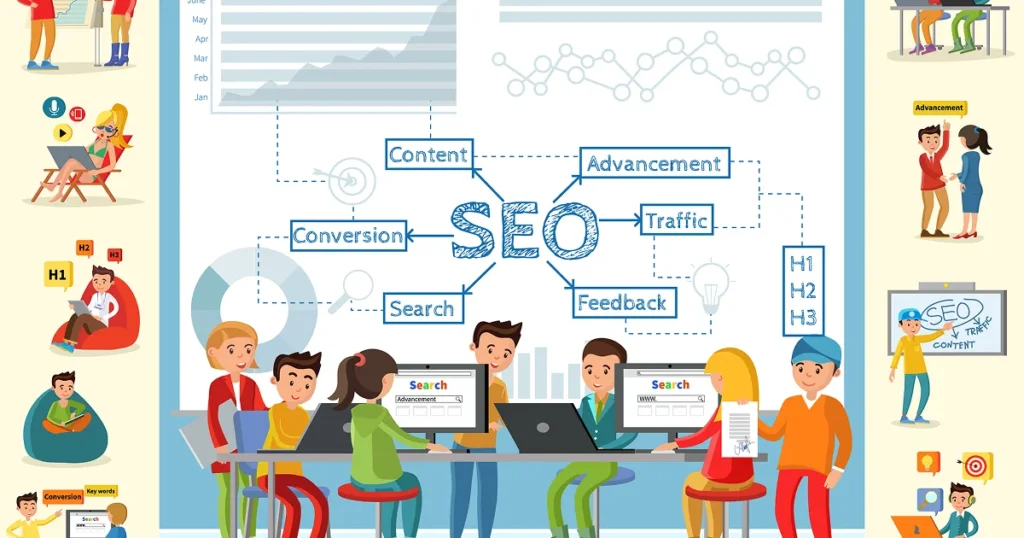
SEO is changing rapidly, and by 2026, artificial intelligence and automation will reshape how businesses rank on Google. Search engines are becoming smarter, users expect faster answers, and competition is increasing. AI tools now analyze data, automate keyword research, understand search intent, and even generate optimized content. This shift demands new SEO strategies for brands to stay ahead. In this blog, you will learn how automation and AI will impact SEO in 2026 and how businesses can take advantage of these changes.
1. AI-Driven Keyword Research & Search Intent Analysis
1.1 Smarter keyword predictions based on behavior
1.2 Deep search intent understanding
Google now focuses more on user intent than keywords alone. AI tools study how people search, what they expect, and which content they trust. This helps businesses create more relevant content that answers real questions and satisfies search needs more accurately.
1.3 Automation speeds up competitor analysis
2.AI-Powered Content Creation & Optimization
2.1 Automated content outlines and topic generation
AI analyzes top-ranking pages to generate accurate outlines, allowing creators to produce SEO-ready content quickly. This saves hours of manual research and ensures every blog meets Google’s ranking expectations.
2.2 Real-time content optimization
AI tools monitor keyword density, readability, engagement level, and user behavior. They suggest improvements instantly, helping creators build high-performing pages that match user intent and increase dwell time.
2.3 Scale content production without losing quality
With automation, businesses can produce large volumes of content while keeping it consistent and relevant. This helps brands dominate niche topics and build authority in competitive industries.
3. Voice Search, Chatbots & AI Search Assistants
3.1 Voice search optimization becomes essential
3.2 Chatbots improving on-site SEO
Interactive chatbots guide users, reduce bounce rates, and improve engagement. Higher engagement signals tell Google that the site provides helpful information, which positively impacts ranking.
3.3 AI assistants changing search behavior
People rely on tools like Siri, Google Assistant, and AI-powered search systems for immediate answers. Businesses must adapt content to provide direct, clear, and structured responses to be chosen by AI systems.
4. Automation in Technical SEO & Website Performance
Automated site audits & error detection
AI tools can quickly detect broken links, missing tags, slow pages, indexing problems, and mobile issues. Instead of waiting for manual checks, businesses can fix issues immediately, improving ranking stability.
Page speed and Core Web Vitals optimization
Automation tools test performance across devices and recommend fixes for slow scripts, layout shifts, and heavy media. Faster-loading pages improve user satisfaction and boost Google rankings.
Smart schema markup insertion
5.User Experience Becomes More AI-Driven
Personalized content experiences
Predictive search behavior analysis
Automated systems track heatmaps, scroll depth, and exit patterns to understand where users face problems. Businesses can update content or redesign sections to improve engagement and reduce bounce rates.
Smarter internal linking and navigation
Conclusion