
Top 10 CRM Features Small Businesses Need to Compete in 2026
-
 Harshid Patel
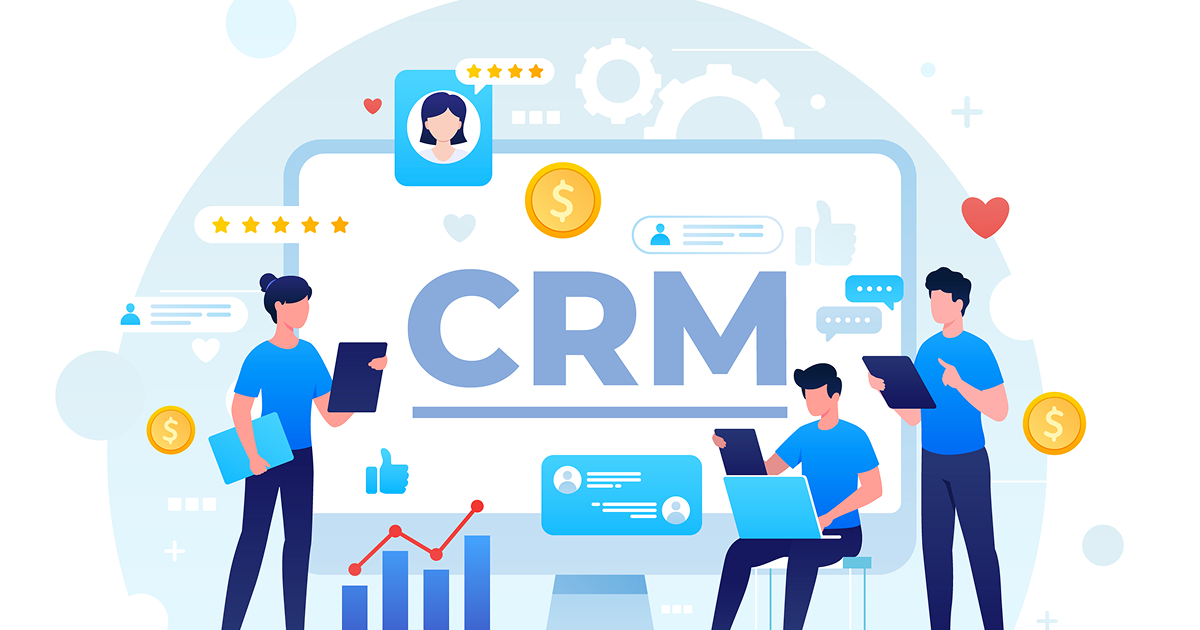
Small businesses face unprecedented competition from enterprises with sophisticated customer relationship management systems. In 2026, CRM has evolved beyond simple contact databases into intelligent platforms predicting customer behavior and automating complex workflows. Small businesses adopting modern CRM features report 35-50% improvements in customer retention and 25-40% increases in sales productivity. However, not all CRM features deliver equal value for resource-constrained small businesses. Purchasing expensive enterprise CRM with unnecessary capabilities wastes budgets while missing critical functionalities. The CRM landscape has matured with affordable solutions offering enterprise-grade capabilities previously accessible only to large corporations.
AI-Powered Lead Scoring and Prioritization
Modern CRM systems use machine learning to identify high-value opportunities automatically.
Small businesses waste precious time pursuing low-probability leads while missing ready buyers. AI lead scoring analyzes behavioral signals, engagement patterns, and demographic data predicting purchase likelihood with 80-85% accuracy. Sales teams focus efforts on prospects most likely to convert increasing close rates 30-45%. Automated prioritization ensures limited sales resources target opportunities with highest revenue potential.
Intelligent Email Automation and Sequencing
Sophisticated email workflows nurture leads without manual intervention from stretched teams.
AI-powered email automation sends personalized messages based on prospect behavior and engagement. Systems automatically adjust send times, content, and frequency optimizing for individual recipient preferences. Small businesses see 3-5x email engagement improvements through intelligent automation compared to manual campaigns. Automated nurturing converts 20-35% more leads while freeing sales teams for high-value activities.
Unified Customer Communication Hub
Consolidating interactions across channels provides complete customer context essential for small teams.
Small businesses interact with customers through email, phone, chat, social media, and messaging apps. Fragmented communication creates information silos where team members lack full customer context. Unified communication hubs aggregate all interactions in single timeline providing complete visibility. Context-aware teams deliver 40-50% better customer experiences through informed, personalized interactions.
Mobile-First Access and Functionality
Field sales teams and remote workers require full CRM capabilities on smartphones.
Small business teams work from multiple locations needing instant access to customer information. Mobile CRM apps must provide complete functionality, not limited web views requiring desktop access. Native mobile apps with offline capabilities ensure productivity regardless of connectivity. Mobile-enabled teams close deals 25-35% faster through immediate information access and response capabilities.
Customizable Sales Pipeline Management
Flexible pipeline stages adapt to unique small business sales processes rather than forcing rigid templates.
Generic pipeline stages rarely match actual small business sales workflows creating friction. Customizable pipelines with tailored stages, fields, and automation align CRM with real processes. Visual pipeline boards provide instant status visibility enabling proactive deal management. Custom pipelines improve forecast accuracy 30-40% through better sales process alignment.
Automated Task Assignment and Reminders
Intelligent task management ensures critical activities never fall through cracks in busy small businesses.
Small teams juggle multiple responsibilities making manual task tracking unreliable. Automated task creation based on deal stages, customer actions, or timeframes ensures accountability. Smart reminders notify team members proactively preventing missed follow-ups costing deals. Automated task management improves activity completion rates 50-65% compared to manual tracking.
Integrated Payment Processing
Seamless payment collection within CRM accelerates cash flow critical for small business survival.
Switching between CRM and separate payment systems creates friction slowing deal closure. Integrated payment processing enables instant invoice generation and payment collection within CRM. Customers pay immediately through embedded payment links reducing collection cycles 40-60%. Faster payment improves cash flow and customer experience through reduced friction.
Customer Segmentation and Targeting
Advanced segmentation enables personalized marketing previously available only to large enterprises.
Small businesses cannot afford wasteful mass marketing requiring precise targeting. AI-powered segmentation identifies customer groups based on behavior, preferences, and purchase history. Targeted campaigns achieve 4-6x better response rates than generic messaging. Sophisticated segmentation maximizes limited marketing budgets through efficient targeting.
Real-Time Analytics and Reporting
Actionable insights enable data-driven decisions critical for resource-constrained businesses.
Advanced segmentation enables personalized marketing previously available only to large enterprises.
Small business owners need instant visibility into sales performance, pipeline health, and customer trends. Pre-built dashboards with real-time data eliminate waiting for monthly reports. Visual analytics identify problems early enabling corrective action before revenue impacts. Data-driven management improves decision quality while reducing time spent on reporting 60-70%
Third-Party Integration Ecosystem
Connecting CRM with existing business tools eliminates data silos and manual entry.
Small businesses use accounting software, marketing platforms, and communication tools requiring CRM integration. Native integrations with QuickBooks, Mailchimp, Slack, and other common tools eliminate duplicate data entry. Automated data synchronization ensures information consistency across systems. Integration reduces administrative work 30-45% while improving data accuracy.
Conclusion
Small businesses competing in 2026 require sophisticated CRM capabilities previously accessible only to enterprises. AI-powered lead scoring and email automation maximize limited sales resources through intelligent prioritization. Unified communication hubs and mobile access ensure teams have complete customer context anywhere. Customizable pipelines and automated task management align systems with actual business processes. Integrated payments and advanced segmentation accelerate revenue while optimizing marketing efficiency. Real-time analytics and third-party integrations enable data-driven decisions without administrative burden. Modern affordable CRM platforms deliver these capabilities to small businesses leveling competitive playing fields.
Frequently Asked Questions
Quality small business CRM costs approximately 15,000-40,000 rupees monthly for 5-15 users. Entry-level plans start at 8,000-12,000 rupees monthly with basic features. Enterprise features now available in small business pricing make CRM accessible to most organizations.
Modern CRM platforms are designed for non-technical users with intuitive interfaces and guided setup. Most small businesses complete implementation within 2-4 weeks without IT expertise. Cloud-based solutions eliminate infrastructure management and technical maintenance requirements.
Well-implemented CRM typically delivers positive ROI within 4-8 months through improved sales efficiency. Most small businesses report 20-35% revenue increases within first year. Long-term benefits compound as customer data and insights accumulate over time.
Lead scoring, email automation, and mobile access consistently deliver highest value across industries. These features maximize limited sales resources while enabling anywhere productivity. Unified communications and analytics provide strong secondary value for most small businesses.
Small businesses need same capabilities but prioritize ease of use and affordability. Enterprise CRM often includes unnecessary complexity and features small teams do not need. Purpose-built small business CRM balances sophistication with simplicity and appropriate pricing.
Get Free consultation and let us know about your custom web and Mobile App project idea
Over 14+ years of work experience, we have built 210+ web and mobile apps
We can help you with
- Dedicated Developer
- delivering high-quality development
- Custom Mobile App Development
- Innovative Solution For Startups and Enterprise
Latest Blogs
Explore the Latest Blogs on Trends and Technology.