latest header logo

Let's Create Something Extraordinary Together

Your Trusted Partner in Digital Innovation

Reach out to explore tailored solutions designed to transform your business.

Transparent Project Insights

Understand your project’s scope clearly, with no unexpected surprises

Step Into the Future

Share your ideas, and we’ll connect with you within 16 hours (excluding holidays) to bring your vision to life.

Crafting Excellence for You

From mobile apps to web solutions and ERP systems, we’re here to build technology that works perfectly for you.

Quick and Reliable Response

Share your vision, and we’ll connect within 16 hours (excluding holidays).


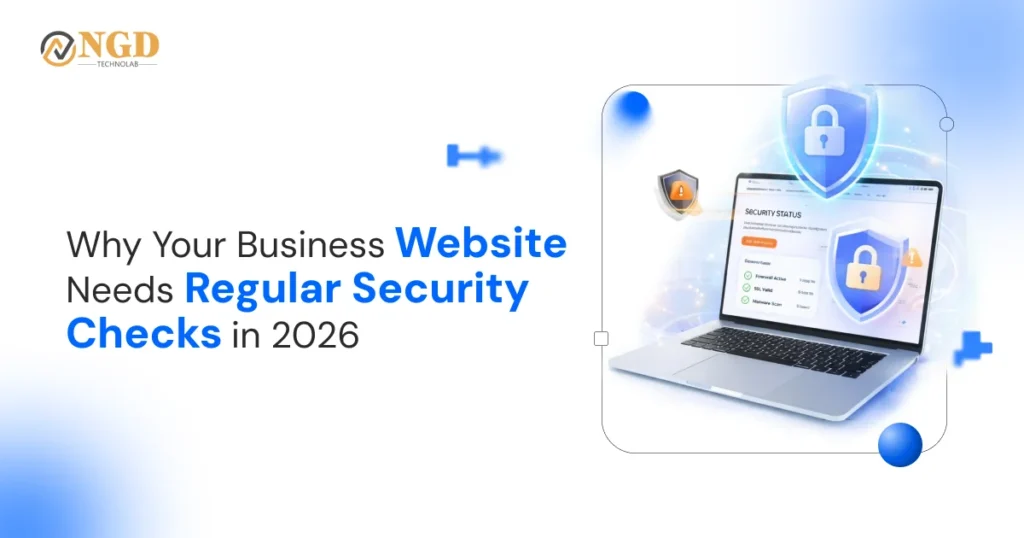
    Why Your Business Website Needs Regular Security Checks in 2026

    Why Your Business Website Needs Regular Security Checks in 2026

    Why-Your-Business-Website-Needs-Regular-Security-Checks-in-2026
    Edit Template

    Cybersecurity threats are rising rapidly, and business websites are among the top targets for attackers in 2026. A website with weak security can lead to data leaks, hacking, financial loss, downtime, and damaged brand trust. Regular security checks help identify vulnerabilities before hackers do and ensure the website works safely for customers. Whether you run an e-commerce website, business portal, or service platform, maintaining strong security is now a business necessity. This blog explains why regular website security checks are important in 2026 and how they protect your business from growing cyber risks.

    Table of content
      Add a header to begin generating the table of contents

      Preventing Data Breaches & Cyberattacks

      Businesses must protect sensitive data from hackers trying to steal valuable information.

    • Protecting Customer Data
    • Regular security checks help ensure that personal data such as contact details, payment information, and saved profiles remain confidential. This safety builds trust between customers and your brand.

    • Blocking Hackers Early
    • Cybercriminals constantly search for weaknesses. Security checks detect vulnerabilities like outdated scripts or weak passwords, helping businesses fix issues before attackers can break into the system.

    • Avoiding Financial Loss
    • Cyberattacks can cause costly downtime and legal fines. Regular security audits keep your website safe and help your business avoid unexpected losses caused by hacking incidents.

      Secure Payments & Smooth Transactions

      A secure website keeps online payments safe and reliable.

    • Strong Encryption for Payments
    • Security checks ensure that payment gateways follow strong encryption standards. This keeps users’ banking details private and prevents fraud during online transactions.

    • Protecting E-commerce Operations
    • For businesses that rely on online sales, secure checkout pages build confidence and help customers complete orders without fear of data theft or scams.

    • Reduced Chargeback Risk
    • When security is reliable, the chances of fraudulent transactions reduce, helping businesses avoid financial disputes and maintain a stable online revenue stream.

      Building User Trust & Brand Reputation

      Security plays a crucial role in shaping customer confidence.

    • Safe Browsing Experience
    • When users see security badges, HTTPS padlock, and smooth website behavior, they feel safe continuing their journey. This improves engagement and conversion across all pages.

    • Avoiding Public Damage
    • A hacked website can instantly damage your brand reputation. Customers might stop trusting your platform if they believe their data is unsafe or compromised.

    • Consistent Credibility
    • Regular checks show users that the business cares about safety. A secure platform maintains long-term trust and positive word-of-mouth growth online.

      Compliance With Latest Security Regulations

    • Updated Policies
    • Governments and global cybersecurity bodies update rules frequently. Security checks ensure your website complies with data protection laws like GDPR, PCI DSS, and local cybersecurity regulations.

    • Avoid Legal Penalties
    • If a website fails to follow security laws, businesses may face heavy fines or restrictions. Regular audits protect the brand from legal challenges and compliance failures.

    • Safer Data Management
    • Security testing ensures proper handling of user information, permissions, and storage, keeping data secure at all times in the backend system.

      Better Website Performance & Reliability

    • Faster Response Time
    • Security scans remove harmful files, reducing load pressure. A cleaner website performs faster, improving user retention and search engine rankings.

    • Protection Against Downtime
    • Regular checks prevent viruses, spam attacks, and server overload issues that can make your website unavailable. Better uptime keeps customers happy and business running smoothly.

    • Long-Term Stability
    • Monitoring system health helps detect problems early so businesses can fix them quickly. This boosts reliability and enhances the overall digital experience for users.

      Staying Ahead of Modern Cybersecurity Threats

    • Detecting New Vulnerabilities
    • Hackers use advanced methods like phishing, malware, and bots to break into websites. Regular security updates defend the website from new attack patterns.

    • Safer Plugin & Software Updates
    • Many attacks happen due to outdated systems. Security checks ensure plugins, hosting setups, and CMS platforms stay updated with modern protection.

    • Stronger Firewall & Monitoring
    • Continuous monitoring helps quickly block suspicious activities, making sure no harmful action affects your customers or business data.


      Conclusion

      Regular security checks are essential for any business website in 2026. They protect customer data, secure payments, prevent hacking, ensure legal compliance, and improve performance. Most importantly, strong security builds long-term trust and keeps customers safe while browsing. Cyber threats will continue to grow but with continuous monitoring and regular protection updates, your business can stay ahead and operate confidently in the digital world.

      Frequently Asked Questions

      How do I protect my business website from hackers?

      By doing regular security checks, updating plugins/software, using HTTPS, and monitoring for threats, you can keep your website protected from hackers.

      What happens if my website is not secure?

      Your site can get hacked, customer data may leak, you may lose sales, and your brand reputation could get damaged very quickly.

      How often should I scan my website for security issues?

      Basic security scans every month and a full security audit every 3–6 months help keep your website safe from new threats.

      Does website security help improve my SEO ranking?

       Yes! Google gives higher ranking to secure websites. Faster performance, HTTPS, and safe browsing help improve SEO and get more traffic.

      Which company provides secure web application development services?

      NGD Technolab offers secure web and app development with strong cybersecurity standards, keeping business websites safe and protected from attacks.

      Get Free consultation and let us know about your custom web and Mobile App project idea
      grocy blog sidebar

      Over 13+ years of work experience, we have built 210+ web and mobile apps

      We can help you with
      Edit Template
      Edit Template

      Leave a Comment

      Your email address will not be published. Required fields are marked *

      Scroll to Top