
latest header logo

Let's Create Something Extraordinary Together

Your Trusted Partner in Digital Innovation

Reach out to explore tailored solutions designed to transform your business.

Transparent Project Insights

Understand your project’s scope clearly, with no unexpected surprises

Step Into the Future

Share your ideas, and we’ll connect with you within 16 hours (excluding holidays) to bring your vision to life.

Crafting Excellence for You

From mobile apps to web solutions and ERP systems, we’re here to build technology that works perfectly for you.

Quick and Reliable Response

Share your vision, and we’ll connect within 16 hours (excluding holidays).


    Mobile App Development

    how does google pay make money feature

    How Does Google Pay Make Money: GPay Revenue Model

    How Does Google Pay Make Money: GPay Revenue Model Harshid Patel In today’s digital age, mobile payment platforms have revolutionized the way we handle our finances. Google Pay, a prominent player in this arena, offers a seamless and convenient way to make transactions. But have you ever wondered how Google Pay manages to thrive in a fiercely competitive market? In this comprehensive guide, we’ll delve into the revenue streams that power Google Pay’s success. Table of content Add a header to begin generating the table of contents Understanding Google Pay What Is Google Pay? Google Pay, often referred to as GPay, is a versatile digital payment platform that allows users to make seamless transactions using their smartphones. It eliminates the need for physical wallets and credit cards, making it incredibly convenient for everyday payments. Evolution of Digital Payments The concept of digital payments has come a long way since its inception. With the advent of technology, traditional payment methods have been gradually replaced by digital alternatives. Google Pay emerged as a response to the growing demand for secure and convenient mobile payment solutions. The Revenue Ecosystem Google Pay’s revenue primarily comes from three key sources, each playing a vital role in its financial success. Transaction Fees: The Primary Income Source One of the primary ways Google Pay generates revenue is through transaction fees. When users make payments through the platform, a small fee is charged to the merchant for processing the transaction. While these fees are relatively small individually, they add up significantly given the vast user base of Google Pay. Advertising and Promotions Google Pay also capitalizes on its user base by offering advertising and promotional services to businesses. By leveraging its extensive user data, the platform allows businesses to target their advertisements effectively. This targeted advertising results in higher conversion rates, making it a lucrative revenue stream. Data Monetization Google Pay collects valuable user data during transactions, including spending patterns and preferences. This data is anonymized and used for various purposes, including market research and analytics. Additionally, Google Pay may enter into data-sharing partnerships with businesses, further monetizing the user data it collects. Also to read:-   UPI Payments: Shaping the Future of the FinTech Industry Innovative Strategies Google Pay’s success isn’t only dependent on revenue sources; the platform maintains a competitive edge through innovative strategies. Expanding Merchant Partnerships Google Pay actively seeks partnerships with merchants and businesses to expand its user base. By offering incentives and discounts for users who make payments through the platform, it encourages more people to adopt Google Pay for their transactions. Enhanced Security Measures Security is paramount in the world of digital payments. Google Pay invests heavily in cutting-edge security measures, including encryption, tokenization, and multi-factor authentication. These security features instill trust among users and businesses, further fueling the platform’s growth. International Expansion To increase its revenue streams, Google Pay has been expanding its services internationally. This expansion allows the platform to tap into new markets and cater to a global audience. Challenges and Competitors While Google Pay has experienced remarkable success, it’s not without its fair share of challenges and competitors. Regulatory Hurdles The digital payment industry is subject to various regulatory frameworks and compliance requirements. Adhering to these regulations can be complex and costly, posing a challenge for Google Pay’s operations. Competing with Fintech Giants Google Pay faces fierce competition from other fintech giants like Apple Pay and PayPal. Staying competitive in this dynamic landscape requires constant innovation and user-centric strategies. Conclusion In conclusion, Google Pay’s revenue generation is a well-rounded ecosystem that encompasses transaction fees, advertising, data monetization, and innovative strategies. This combination has propelled Google Pay to the forefront of the digital payment industry. However, it also faces challenges related to regulations and competition. Understanding these factors gives us valuable insights into “how does Google Pay make money.” Frequently Asked Questions How secure is Google Pay for online transactions? Google Pay prioritizes security and employs advanced encryption and authentication measures to protect user data and transactions. Users can trust the platform for secure online payments. What sets Google Pay apart from other digital payment platforms? Google Pay’s competitive edge lies in its seamless integration with Google services, extensive user base, and data-driven advertising capabilities. These features make it a versatile and user-friendly payment solution. Can I use Google Pay for international transactions? Yes, Google Pay supports international transactions in many countries. Users can link their cards and make payments abroad, provided the merchant accepts Google Pay.   How does Google Pay protect user data? Google Pay employs rigorous security protocols, including encryption and tokenization, to safeguard user data. Personal and financial information is kept confidential and secure during transactions. Get Free consultation and let us know about your custom web and Mobile App project idea Over , we have built 210+ web and mobile apps We can help you with Dedicated Developer delivering high-quality development Custom Mobile App Development Innovative Solution For Startups and Enterprise Contact Us Latest Blogs Explore the Latest Blogs on Trends and Technology. Angular: Benefits, Challenges, Cost of Development Services Read More Single Page App Development: Cost, Companies, Benefits & Pros-Cons Read More How Much Does Digital Marketing Cost? (2025) Read More

    How Does Google Pay Make Money: GPay Revenue Model Read More »

    upi payments shaping the feature image

    UPI Payments: Shaping the Future of the FinTech Industry

    UPI Payments: Shaping the Future of the FinTech Industry Prashant Padmani The world of finance is undergoing a seismic shift, and at the heart of this transformation lies the ubiquitous Unified Payments Interface (UPI). As the financial technology (FinTech) industry evolves at an unprecedented pace, UPI payments are emerging as a driving force behind this revolution. In this comprehensive guide, we’ll delve deep into the impact of UPI payments on the FinTech industry, exploring how this revolutionary system is shaping its future. Table of content Add a header to begin generating the table of contents What is UPI? Unified Payments Interface, or UPI, is a real-time payment system developed by the National Payments Corporation of India (NPCI). It allows seamless, instant, and secure transactions between banks using mobile phones. UPI has gained tremendous popularity for its user-friendly approach, making it accessible to millions of people. UPI payments have revolutionized financial transactions. They provide a unified platform for various payment services, such as transferring funds, paying bills, and making online purchases. Unlike traditional banking methods, UPI allows users to send and receive money 24/7, even on holidays. This convenience has made UPI a preferred choice for individuals and businesses alike. One of the reasons why UPI services has been adopted globally with trust. When you use UPI to pay for things, card information is not shared with merchants, meaning that even if the merchants are hacked, people using UPI payments are safe from leaking information. Another reason why UPI payments is revolutionizing the Fintech Industry is its hassle free approach to pay and register. All that is required to validate your UPI is simply an authentication of your Aadhar card, your finger prints are scanned and your mobile phone number is verified. UPI Payments: A Game-Changer UPI payments have revolutionized financial transactions. They provide a unified platform for various payment services, such as transferring funds, paying bills, and making online purchases. Unlike traditional banking methods, UPI allows users to send and receive money 24/7, even on holidays. This convenience has made UPI a preferred choice for individuals and businesses alike. The Implications for FinTech Companies UPI and Financial Inclusion One of the most significant impacts of UPI payments is its role in promoting financial inclusion. UPI has opened doors for individuals who were previously underserved by traditional banking systems. It has empowered people from all walks of life to access and use financial services with ease. UPI’s Influence on Investment Platforms The FinTech industry is not just about payments; it also includes investment platforms. UPI payments have seamlessly integrated with these platforms, making it easier for investors to buy and sell securities. This integration has democratized investment, enabling a wider audience to participate in the financial markets. Innovation and Competition Innovation in FinTech UPI payments have sparked innovation within the FinTech sector. FinTech companies are continually developing new solutions and services that leverage the UPI infrastructure. This innovation has led to the creation of financial products that are more accessible, efficient, and tailored to the needs of users. Competing in the UPI-Powered Ecosystem As UPI payments gain popularity, competition within the FinTech industry has intensified. Companies are vying to offer the best user experience, lower transaction costs, and innovative features. This competition benefits consumers as it leads to better services and more choices. Also to read:-   The 5 Best House Cleaning Apps To Make Your Life Easier Preparing for the Future Leveraging UPI for Success For FinTech companies, leveraging UPI payments is crucial for staying competitive. Those that embrace this technology can offer their customers faster and more convenient services. They can also tap into the growing user base of UPI to expand their reach. Risks and Challenges While UPI presents numerous opportunities, it also comes with its share of risks and challenges. Security concerns, regulatory changes, and technical glitches are some of the potential obstacles that FinTech companies must navigate as they integrate UPI into their services. Conclusion In conclusion, UPI payments have emerged as a driving force in the FinTech industry, transforming the way financial transactions are conducted and democratizing access to financial services. As UPI continues to evolve and expand its reach, it opens up endless possibilities for both consumers and FinTech companies. By staying innovative, competitive, and adaptable, the FinTech sector is poised to shape the future of finance in profound ways. Frequently Asked Questions How does UPI work? UPI works by linking your bank account to a mobile app, allowing you to make instant payments to anyone with a UPI ID. Are UPI payments secure? Yes, UPI transactions are highly secure, utilizing encryption and two-factor authentication to protect your financial data. Can businesses benefit from UPI payments? Absolutely! UPI payments offer businesses a convenient and cost-effective way to receive payments and manage their finances. What's the future of UPI in the FinTech industry?  The future of UPI in the FinTech industry looks promising, with continued innovation and integration into various financial services. Get Free consultation and let us know about your custom web and Mobile App project idea Over , we have built 210+ web and mobile apps We can help you with Dedicated Developer delivering high-quality development Custom Mobile App Development Innovative Solution For Startups and Enterprise Contact Us Latest Blogs Explore the Latest Blogs on Trends and Technology. Angular: Benefits, Challenges, Cost of Development Services Read More Single Page App Development: Cost, Companies, Benefits & Pros-Cons Read More How Much Does Digital Marketing Cost? (2025) Read More

    UPI Payments: Shaping the Future of the FinTech Industry Read More »

    house cleaning app

    The 5 Best House Cleaning Apps To Make Your Life Easier

    Harshid Patel The 5 Best House Cleaning Apps To Make Your Life Easier Harshid Patel Edit Template In today’s digital age, maintaining a clean and organized home has become much simpler. With just a few taps on your phone, you can schedule, track, and manage all your cleaning tasks easily. These house cleaning apps not only help you stay consistent but also make cleaning feel more simple and enjoyable. Table of content Add a header to begin generating the table of contents 1. Closet Space If your wardrobe often turns into a messy pile and finding your favorite outfit feels like a treasure hunt, Closet Space is your go-to app. It helps you manage your clothes, accessories, and shoes in one place, keeping everything neat and sorted. You can upload photos of your clothes, categorize them based on type or color, and even create outfit combinations for the week.   The best part about Closet Space is its simplicity and convenience. You can plan your daily looks, mix and match styles, and avoid wearing the same outfit twice. It’s like having your personal stylist and wardrobe manager in your pocket! Available on both Android and iOS, Closet Space turns the overwhelming task of organizing your closet into an easy and enjoyable experience. 2. CleanMyHouse If you often forget small tasks or struggle to manage your daily home cleaning, CleanMyHouse is the perfect solution. This easy-to-use cleaning app sends smart reminders for all your household activities and helps you plan a personalized cleaning schedule. You can set daily, weekly, or monthly goals, ensuring your home stays organized, fresh, and spotless effortlessly. Once you complete a task, just check it off the list—it’s that simple! The app makes cleaning feel satisfying and organized. Whether it’s sweeping the floor, doing laundry, or watering the plants, CleanMyHouse ensures nothing slips through the cracks. Designed for people with busy lifestyles, this app helps you manage chores without feeling overwhelmed. It’s truly a digital assistant for every Indian home. Also to read:-   Mobile App Design Trends for 2024: Crafting Tomorrow’s User Experience 3. Home Cleaning Home Cleaning is a complete cleaning management app that makes keeping your home spotless a breeze. It comes with an easy checklist feature where you can add and track all your cleaning tasks—whether it’s mopping the floor, dusting furniture, or cleaning the bathroom. The app keeps your cleaning routine organized, so you never miss any area.   What makes Home Cleaning special is its all-in-one functionality. You can record expenses related to home maintenance, keep contact details of cleaners or repair workers, and monitor your cleaning supplies—all from one dashboard. It’s like having a mini home management system right on your phone. Available for free on the Apple Store, this app brings together cleaning efficiency and smart budgeting, making home management effortless and practical. 4. Cleaning Checklist If you’re someone who loves structure and organization, Cleaning Checklist is the perfect app for you. It helps you make personalized cleaning lists for every room in your home—be it your kitchen, living room, bedroom, or even your balcony. You can easily add or remove tasks, track your cleaning progress, and ensure every corner stays clean and fresh.   What’s more, Cleaning Checklist is great for families. You can share your list with family members or roommates so everyone can take part in keeping the home tidy. The app keeps your goals visible, motivating you to stay consistent with your cleaning habits. Available for Android users, Cleaning Checklist turns your messy home into a clean and peaceful space without much effort. 5. HomeRoutines If you believe cleaning should be part of your everyday rhythm, HomeRoutines is just what you need. This app helps you create daily and weekly cleaning schedules, ensuring you never forget small but important chores. It even includes a built-in timer that keeps you focused while working on tasks—so you clean smarter, not harder. HomeRoutines allows you to break your home into different zones and assign specific cleaning duties to each one. You can easily repeat tasks or change routines whenever you want. It’s perfect for people who want to bring consistency and structure to their household cleaning. Available for free on the App Store, HomeRoutines is a must-have for those who love a perfectly managed home. Conclusion These house cleaning apps in India are not just about cleaning—they’re about simplifying your life. They help you manage time better, reduce mental load, and keep your home organized effortlessly. Whether you live alone or with family, these apps bring a sense of routine and discipline that makes cleaning feel like a breeze instead of a burden. Frequently Asked Questions Are these cleaning apps free to use? Most of them are free, with optional premium features for extra tools. Can I set reminders for daily cleaning tasks? Yes, apps like CleanMyHouse and HomeRoutines send daily cleaning reminders. Which app is best for organizing clothes and accessories? Closet Space is ideal for managing and planning your wardrobe easily. Are these apps available for both Android and iPhone users? Yes, most of them support both Android and iOS devices. Can I share cleaning lists with my family? Of course! Cleaning Checklist allows you to share tasks with others easily. Get Free consultation and let us know about your custom web and Mobile App project idea Over 13+ years of work experience, we have built 210+ web and mobile apps We can help you with Dedicated Developer delivering high-quality development Custom Mobile App Development Innovative Solution For Startups and Enterprise Contact Us Edit Template Latest Blogs Explore the Latest Blogs on Trends and Technology. How to Create an Educational Platform: An Overview Read More The Benefits of Building Android and iOS Apps for Startups Read More Support Chatbots in 2025: Transforming Customer Services Read More Edit Template

    The 5 Best House Cleaning Apps To Make Your Life Easier Read More »

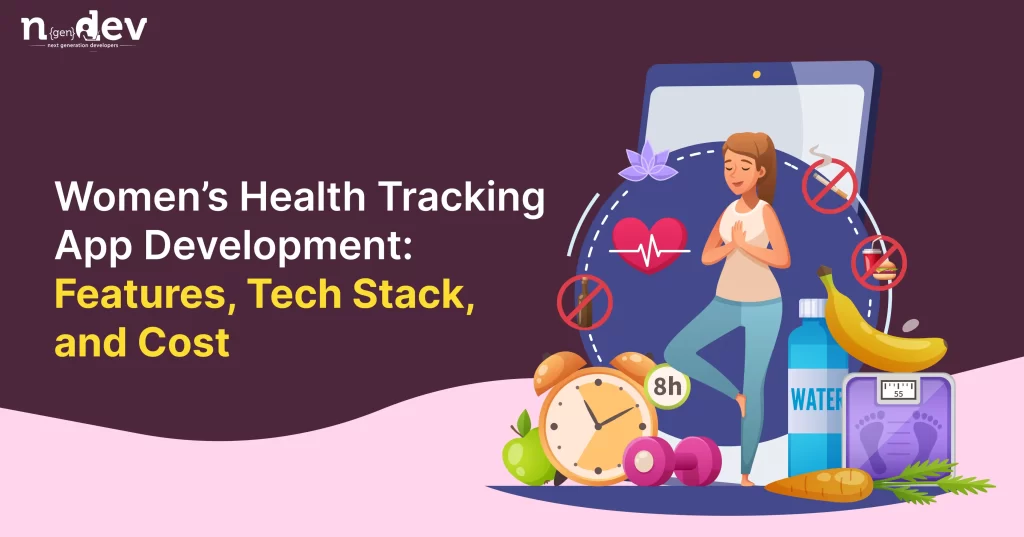
    womens health tracking feature image

    Women’s Health Tracking App Development: Features, Tech Stack, and Cost

    Women’s Health Tracking App Development: Features, Tech Stack, and Cost Harshid Patel Edit Template Health tracking apps becoming essential tools in today’s digital era, it’s used for individuals seeking to monitor and manage their well-being. For women, these apps hold immense potential to track and understand their unique health needs. In this comprehensive guide, we delve into the development of Women’s Health Tracking Apps, exploring their features, the tech stack that powers them, and the associated costs. Table of content Add a header to begin generating the table of contents Key Features of a Women’s Health Tracking App Menstrual Cycle Monitoring Understanding the menstrual cycle is pivotal for women’s health. A quality tracking app provides insights into ovulation patterns and fertility windows, assisting in family planning or understanding hormonal changes. Understanding Ovulation Ovulation tracking is fundamental. By incorporating features such as basal body temperature recording and cervical mucus analysis, the app enables users to pinpoint ovulation accurately. Fertility Tracking Women aiming to conceive benefit from fertility tracking. Advanced apps use historical data and algorithms to predict fertile days, enhancing the chances of successful conception. Symptom and Mood Tracking Women often experience a range of symptoms and mood shifts throughout their cycles. A robust app allows users to log symptoms and mood changes conveniently. Custom Symptom Input Every woman’s body is unique. Apps should allow personalized symptom tracking, considering physical and emotional states to provide accurate predictions and insights. Predictive Analysism Employing AI and machine learning, top-tier apps analyze symptom patterns to predict future discomfort. This proactive approach enhances preparedness and supports timely intervention. Women’s Health Insights and Resources Empowerment comes from knowledge. A well-rounded app offers insights into health trends, personalized recommendations, and a library of educational content. Personalized Recommendations Apps use accumulated data to offer tailored suggestions for nutrition, exercise, and self-care, contributing to holistic well-being. Educational Content Educated choices lead to better health outcomes. Apps curate articles and videos addressing women’s health, fostering informed decisions. Tech Stack for Developing the Women’s Health Tracking App Crafting a dynamic Women’s Health Tracking App demands a thoughtfully selected tech stack that ensures seamless functionality and user satisfaction. Front-End Development The app’s user interface relies on technologies like HTML, CSS, and JavaScript. Responsive design guarantees optimal user experiences across devices. Back-End Development A robust back-end, built with languages like Python or Ruby, handles data processing and user-server interactions. Secure data storage is paramount. Database Management Efficient data management is non-negotiable. Databases like MySQL or MongoDB organize user information, guaranteeing swift retrieval and updates. Third-Party Integrations Integrating APIs for features like push notifications or wearable device syncing enriches the app’s capabilities, enhancing user engagement. Also to read:-   Migrating Apps To Android 13 Factors Influencing Woman’s Health App Development Costs Several factors impact the overall cost of developing a Women’s Health Tracking App. Complexity of Features Apps with intricate features, such as predictive analysis or AI-driven insights, require more development time and expertise. Design and User Experience Intuitive interfaces demand meticulous design efforts. Investing in user experience enhances app adoption and retention rates. Development Team The size and expertise of your development team influence costs. Collaborating with skilled professionals ensures a high-quality app. Maintenance and Updates Post-launch, ongoing maintenance and updates are necessary to address bugs, security issues, and evolving user needs. Calculating the Cost of Women’s Health Tracking App Development Calculating the precise cost involves evaluating development phases, features, and ongoing maintenance. While prices vary, prioritizing quality and functionality is paramount. Conclusion In conclusion, Women’s Health Tracking App Development opens new avenues for empowering women to take charge of their well-being. By incorporating insightful features, the right tech stack, and strategic cost considerations, developers can create apps that cater to the diverse needs of women worldwide. Through innovation and thoughtful design, these apps contribute to a healthier and more informed society. Frequently Asked Questions How reliable are fertility predictions provided by these apps? Fertility predictions offered by women’s health tracking apps are remarkably reliable, especially when the apps leverage historical health data and advanced algorithms. Can I personalize the app to align with my specific health requirements? Certainly. The top-tier women’s health tracking apps allow for personalized symptom tracking, ensuring that the app caters to individual health needs and concerns.   What technologies are implemented to ensure the security of women's health data? Women’s health tracking apps incorporate robust technologies like encryption protocols and secure authentication mechanisms to safeguard sensitive health data effectively.  Is there a significant cost associated with the ongoing maintenance of these apps? While maintenance costs can vary, factoring in post-launch maintenance is crucial to ensure optimal performance, security, and the continual alignment of the app with evolving health needs.   Can I integrate wearable devices to enhance health data collection? Absolutely, many women’s health tracking apps seamlessly integrate with wearable devices, enhancing the accuracy of health data collection for comprehensive analysis and insights.   Get Free consultation and let us know about your custom web and Mobile App project idea Over 13+ years of work experience, we have built 210+ web and mobile apps We can help you with Dedicated Developer delivering high-quality development Custom Mobile App Development Innovative Solution For Startups and Enterprise Contact Us Edit Template Latest Blogs Explore the Latest Blogs on Trends and Technology. Angular: Benefits, Challenges, Cost of Development Services Read More Single Page App Development: Cost, Companies, Benefits & Pros-Cons Read More How Much Does Digital Marketing Cost? (2025) Read More

    Women’s Health Tracking App Development: Features, Tech Stack, and Cost Read More »

    migrating apps to android 13

    Migrating Apps To Android 13

    Migrating Apps To Android 13 Harshid Patel Android 13, Android release brings a blend of fresh features and behavioral shifts, aiming to enhance user experience in terms of functionality, security, and performance. While some changes seamlessly integrate with existing apps, others may require adjustments to align with the updated platform. Discover our journey and potential stumbling blocks in the migration process. On this blog, we share how we harnessed Android 13’s novel capabilities. Ensuring Smooth Compatibility with Android 13 Why Compatibility Matters As users eagerly embrace Android 13, they expect their favorite apps to work flawlessly. Ensuring your app’s compatibility isn’t just a choice – it’s a necessity. Changes within the Android platform can impact how your app functions. Early and comprehensive testing allows you to identify and address these issues before they adversely affect user experience. Navigating the Compatibility Landscape Navigating compatibility doesn’t have to be a daunting task. One common concern developers face is whether they need to alter their app’s targetSdkVersion. In most cases, app adjustments can be made without necessarily changing this version. Similarly, there’s usually no requirement to integrate new APIs or modify the compileSdkVersion. However, specific circumstances and the functionality your app employs can influence these considerations. Transitioning with Ease Before diving into testing, familiarize yourself with the behavior changes affecting all apps. Even if you opt to maintain your app’s targetSdkVersion, these changes might still impact your app’s performance. By understanding these nuances, you’re better equipped to tackle any potential challenges that arise during the compatibility assessment. Synonyms for Smooth Integration To ensure a truly seamless transition, take advantage of synonyms for the keyword “Android 13.” Phrases like “latest Android iteration,” “new Android version,” or “Android’s latest release” can be seamlessly integrated into your content. Employing synonyms not only diversifies your vocabulary but also enhances the readability of your piece. Writing for All Audiences In the pursuit of clarity, remember that simpler language often yields better understanding. Overcomplicated terminology can deter even the most tech-savvy individuals. Therefore, strive for a balance between technical precision and user-friendliness. By crafting sentences that an average 11-year-old can comprehend, you ensure your content resonates with a wider audience. Balancing Act: Passive Voice and Varied Sentences While active voice often makes writing more engaging, a strategic use of passive voice can enhance readability. Aim to incorporate passive voice in around 10% of your sentences. This approach adds a pleasant variety, maintaining reader interest throughout your article. Our meticulous planning led us to harness Android 13’s novel capabilities, and through this blog, we share our expedition, illuminating both the voyage and potential stumbling blocks in the migration process. Embrace the future with Android 13 – where evolution meets excellence. Navigating the Android 13 Transition: A Comprehensive Guide 1.Upgrading to Android 13: A Step-by-Step Approach Transitioning your app to Android 13’s new target API level is a critical step. Begin by updating the parameters in your build.gradle file. If your app already adheres to the annual target API level update policy, it likely resides on target SDK 31 (Android 12) or SDK 32 (Android 12 L).  For Android 13 support, navigate to your app-level build.gradle and modify the targetSdkVersion and compileSdkVersion to the new target SDK version 33. 2.Handling Media Permissions: A Precise Approach Adapting media permissions for Android 13 involves addressing the android.permission.READ_EXTERNAL_STORAGE. With Android 13, the declaration in your manifest should specify the exact type of media you intend to access – whether it’s READ_MEDIA_IMAGES, READ_MEDIA_VIDEO, or READ_MEDIA_AUDIO. While READ_EXTERNAL_STORAGE still needs declaration for backward compatibility, include the maxSdkVersion property set to SDK level 32. Notably, the previous android.permission.WRITE_EXTERNAL_STORAGE is no longer necessary and can be omitted. An alternative method is leveraging the Android 13 Photo Picker, simplifying media retrieval through the MediaStore.ACTION_PICK_IMAGES intent. Also to read:-   Why Custom Mobile App Development is The Right Choice? 3. Navigating Notifications Permissions Android 13’s SDK level introduces changes to notification permissions. To obtain the user’s consent, begin by declaring POST_NOTIFICATIONS in your AndroidManifest.xml you can show below: Requesting permission can be achieved using the Activity Result API. Android 13 handles notifications differently based on the target API level and the app’s installation status. For newly installed apps, notifications are off by default. Depending on the target API level, your app’s control over the permission dialog may vary. 4. Adapting to the Advertising Landscape If you’re utilizing a Google Play Advertising ID, Android 13 necessitates the declaration of com.google.android.gms.permission.AD_ID permission in your AndroidManifest.xml. Even if you’re not directly using the advertising ID, your app’s integrated advertisement SDK might rely on it. However, a framework update might eliminate the need for explicit declaration. 5.Embracing Behavior Changes For apps employing WebViews, Android 13 introduces automatic color theme passing to media queries, offering a consistent user experience. To counteract this, utilize setAlgorithmicDarkeningAllowed() to disable automatic darkening. Battery optimization shifts mean that restart-related events like BOOT_COMPLETED and LOCKED_BOOT_COMPLETED no longer trigger on device launch.  Instead, they’re tied to app launch. Standby bucket restrictions apply to apps inactive for 8 days or using excessive broadcasts/bindings, except for those with specific permissions. 6. Grasping API Adjustments APIs like Animator.class and Drawable.class now feature annotations such as @Nullable and @NonNull.  Overriding these APIs might necessitate code adaptation to match the new nullability properties. The getSerializableExtra function now requires adding the underlying class directly as an argument for reading Serializable objects, eliminating the need for casting. Conclusion Android 13’s evolution brings both opportunities and challenges for app developers. By following these guidelines, you can ensure a seamless transition and make the most of the new features while maintaining compatibility and user experience. Stay ahead in the app development game by embracing these changes and enhancing your Android 13-powered apps. Get Free consultation and let us know about your custom web and Mobile App project idea Over , we have built 210+ web and mobile apps We can help you with Dedicated Developer delivering high-quality development Custom Mobile App Development Innovative Solution For Startups and Enterprise Contact Us Latest

    Migrating Apps To Android 13 Read More »

    coustom mobile app developmnet

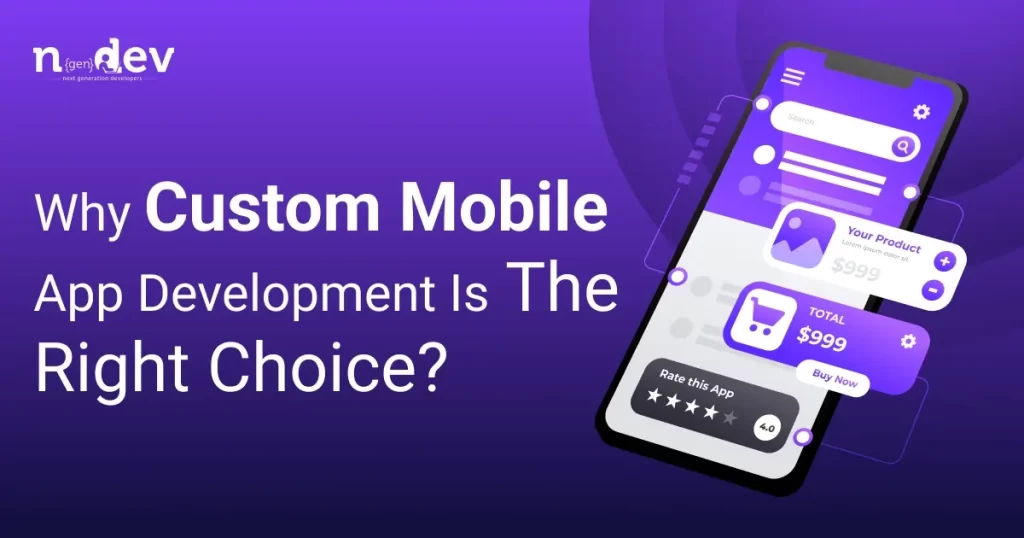
    Why Custom Mobile App Development is The Right Choice?

    Why Custom Mobile App Development is The Right Choice? Prashant Padmani In a rapidly evolving digital landscape, mobile apps have become essential tools for businesses aiming to reach wider audiences and provide better user experiences. It is becoming more and more evident that while there is a wide range of prebuilt apps available in the market, many businesses realize the benefits of custom mobile application development. When it comes to developing mobile apps, there’s a choice between off-the-shelf solutions and custom mobile app development. While both options have their merits, this article delves into why custom mobile app development holds a distinct advantage. Table of content Add a header to begin generating the table of contents What is Custom Mobile App Development? Custom Mobile App Development is a process of design unique and tailored mobile applications to address specific business needs and challenges. Unlike pre-developed apps available on the market, custom apps are designed from scratch, taking into account the organization’s requirements, goals, and target audience. Custom app development begins with a comprehensive understanding of the client’s business processes and objectives. This information is used to craft an app that aligns seamlessly with the company’s workflow and enhances its operations. By building apps tailored to the unique characteristics of the business, custom mobile app development aims to provide superior user experiences, streamlined processes, and optimal efficiency. The Competitive Edge: Custom vs. Off-the-Shelf Apps Addressing Business-Specific Challenges Off-the-shelf apps rarely cater to the unique challenges your business faces. Custom apps, however, are tailored to address these challenges, giving you a distinct advantage. Flexibility and Adaptability Market demands and user expectations evolve rapidly. Custom apps can be quickly adapted to incorporate new features, ensuring your app remains up-to-date and valuable. Long-Term Cost-Effectiveness While custom app development might have a higher initial investment, the long-term benefits outweigh the cost. Off-the-shelf apps often require ongoing licensing fees and can become obsolete, whereas custom apps offer continuous value. Benefits of Custom Mobile App Development Better User Experience When users download your app, their experience defines their impression of your brand. Custom apps provide a seamless, user-centric experience that accounts for their preferences and behaviors. From intuitive navigation to personalized content recommendations, a custom app elevates user satisfaction. Custom with Advanced Features Pre-built apps might not offer the innovative features your business needs to stay ahead. Custom app development allows you to integrate cutting-edge technologies such as AI, AR, and IoT, enhancing functionality and user engagement. Enhanced Data Security Protecting user data is paramount in today’s digital landscape. With a custom app, you have full control over security measures, ensuring compliance with industry standards and safeguarding sensitive information. Efficient Customer Support Custom apps enable you to embed customer support features directly into the app, offering users quick access to assistance. This streamlined support system enhances user satisfaction and loyalty. Also to read:-   Top 5 Mobile App Development framework for Building Super Apps Steps to Successful Custom App Development Defining Your App’s Purpose and Goals Before embarking on app development, clearly define the app’s purpose, target audience, and goals. This foundational step guides all subsequent decisions and ensures alignment with your business objectives. Designing an Intuitive User Interface A user-friendly interface is the heart of any successful app. Custom app development focuses on creating an intuitive design that allows users to seamlessly navigate and interact with your app. Development and Testing Phase The development phase brings your app to life. Expert developers write clean, efficient code while rigorous testing identifies and resolves any bugs or glitches, ensuring a smooth user experience The Future of Custom Mobile Apps: The trajectory of mobile app development is pointing toward personalization and user-centric experiences. As technology continues to advance, custom mobile apps will play a pivotal role in shaping the way businesses interact with their customers. Embracing this trend will position businesses for success in the digital age. Conclusion In a digital landscape where user experience, efficiency, and differentiation are paramount, custom mobile app development emerges as a transformative strategy. The benefits span from creating tailored user experiences and streamlining operations to gaining a competitive edge. By harnessing the power of custom apps, businesses can future-proof their operations and stay ahead in a rapidly evolving market. Frequently Asked Questions Is custom mobile app development suitable for small businesses? Absolutely. Custom apps can be scaled to match the size and needs of your business, providing tailored solutions that enhance efficiency and customer satisfaction.   What are some examples of personalized features in custom apps? Personalized features could include dynamic content recommendations, location-based services, and user-specific dashboards.   How do custom mobile apps ensure data security? Custom apps allow for the implementation of advanced security measures, such as encryption, secure authentication, and compliance with data protection regulations.     Are custom apps more expensive than off-the-shelf solutions? While the initial cost of custom app development might be higher, the long-term benefits in terms of efficiency, user engagement, and ROI often outweigh the upfront investment. Can custom apps be updated easily? Yes, custom apps can be updated and adapted more easily compared to standardized solutions. This agility ensures that your app remains relevant and effective as your business evolves.   What role will custom mobile apps play in the future of business? Custom mobile apps will continue to be a driving force in enhancing customer experiences and streamlining operations, enabling businesses to stay competitive in an increasingly digital world.  Get Free consultation and let us know about your custom web and Mobile App project idea Over , we have built 210+ web and mobile apps We can help you with Dedicated Developer delivering high-quality development Custom Mobile App Development Innovative Solution For Startups and Enterprise Contact Us Latest Blogs Explore the Latest Blogs on Trends and Technology. Angular: Benefits, Challenges, Cost of Development Services Read More Single Page App Development: Cost, Companies, Benefits & Pros-Cons Read More How Much Does Digital Marketing Cost? (2025) Read More

    Why Custom Mobile App Development is The Right Choice? Read More »

    top 5 mobile app development Featured image

    Top 5 Mobile App Development framework for Building Super Apps

    Top 5 Mobile App Development framework for Building Super Apps Harshid Patel In today’s digital landscape, mobile apps have become essential for businesses and individuals alike. Whether you’re a developer aiming to Build a superlative apps. having the right mobile app development tools in your arsenal is crucial. In this comprehensive guide, we cover the capabilities, advantages, and considerations associated with each of these top-tier tools. Whether you’re an app developer or a fresher developer in the field, this guide will equip you with the knowledge you need to make informed decisions and embark on your app-building endeavors with confidence. Let’s explore the tools that are shaping the future of mobile app development. Table of content Add a header to begin generating the table of contents Android Studio: Unveiling the Power of Android App Development Understanding Android Studio Android Studio Serves as a cornerstone for developers in the Android ecosystem. It provides a rich set of tools and resources for crafting sophisticated Android applications. This section delves into the features that make Android Studio an indispensable asset for mobile app development. Features and Advantages Android Studio Offers an array of features, such as a user-friendly interface, powerful code editor, and seamless integration with the Android SDK. Its real-time preview feature allows developers to visualize changes instantly. The intelligent code completion enhances productivity by suggesting code snippets. With these advantages in mind, developers can accelerate their app development process significantly. Limitations to Consider While Android Studio Boasts numerous benefits, it’s essential to acknowledge its limitations. The heavyweight nature of the software might lead to slower performance on lower-end systems. Additionally, the learning curve associated with mastering Android Studio can be steep, especially for newcomers to the Android development landscape. Xcode: Apple’s Integrated Development Environment Unveiling the Potential of Xcode For iOS and macOS app development, Xcode is the go-to choice. Apple’s integrated development environment offers a suite of tools, including a code editor, debugger, and Interface Builder. Its seamless integration with Cocoa and Cocoa Touch frameworks simplifies app creation. A Walkthrough of Xcode Features Navigate Xcode’s intuitive interface to create your project. Leverage Interface Builder to design pixel-perfect UIs visually. Swift, Apple’s programming language, is seamlessly integrated with Xcode, enabling powerful and efficient coding. Pros and Cons of Xcode for App Development Xcode’s robust toolset and direct integration with Apple’s ecosystem are its major strengths. However, the learning curve for beginners can be steep, and its limited compatibility outside of Apple platforms may be a drawback for cross-platform projects. Also to read:-   Twitter vs Threads: 6 Key Differences You Should Know Flutter: Revolutionizing Cross-Platform Development Why Choose Flutter for Your Mobile App? When it comes to cross-platform app development, Flutter takes the spotlight. Flutter, an open-source UI software development kit created by Google, empowers developers to craft natively compiled applications for mobile, web, and desktop from a single codebase. Its innovative “hot reload” feature accelerates the development process, enabling real-time updates. This eliminates the need for lengthy rebuilds and offers a seamless testing environment. With Flutter’s expressive and customizable widgets, creating stunning interfaces becomes effortless. Getting Started with Flutter? Getting started with Flutter is a breeze. Install the Flutter SDK, set up your preferred IDE, and you’re ready to begin coding. Dart, Flutter’s programming language, is easy to learn, especially for developers familiar with languages like Java and JavaScript. The Flutter documentation and online community provide extensive resources for troubleshooting and guidance. Advantages and Disadvantages of Flutter Flutter’s strengths lie in its exceptional UI, fast development cycles, and consistent performance across platforms. However, its young ecosystem and limited third-party library support can pose challenges for complex projects. Consider your project’s requirements carefully before committing to Flutter. React Native: Building Dynamic Apps with JavaScript The Power of React Native in Mobile Development React Native, developed by Facebook, offers a powerful solution for building dynamic apps using JavaScript. Its component-based structure allows developers to create reusable UI elements, streamlining development and ensuring consistency. React Native’s “write once, use everywhere” philosophy enables code sharing between iOS and Android platforms. Getting Started with React Native Begin your React Native journey by setting up the environment and creating your first project. Leverage your JavaScript skills to craft engaging user interfaces. React Native’s extensive library of pre-designed components accelerates development, while its modular architecture ensures scalability. Pros and Cons of Using React Native React Native’s major benefit is its efficiency in code reuse and rapid development. However, complex animations and intricate custom modules can pose challenges. Evaluate your project’s requirements and UI needs before opting for React Native. Ionic: Crafting App Experiences with Web Technologies Exploring the Capabilities of Ionic Ionic, a free and open-source framework, empowers developers to create app experiences using web technologies such as HTML, CSS, and JavaScript. This framework facilitates the development of cross-platform apps with a single codebase. Ionic offers a rich library of UI components that can be customized for various platforms. Getting Started with Ionic Framework To start building with Ionic, install the Ionic CLI, create a new project, and choose from a range of starter templates. Ionic’s integration with Angular provides a robust structure for app development. The platform’s adaptive styling ensures a consistent look and feel across devices. Benefits and Drawbacks of Ionic Ionic’s use of web technologies and a single codebase for multiple platforms streamlines development. However, its reliance on web views may affect performance in certain cases. Consider the nature of your app and its performance requirements when deciding on Ionic. Comparing the Top 5 Mobile App Development Tools Key Factors to Consider Choosing the right mobile app development tool depends on various factors such as project complexity, team expertise, and platform preferences. Evaluate each tool’s strengths and weaknesses in alignment with your project goals. Choosing the Right Tool for Your Project Project Scope and Goals:Understand the scope and goals of your project. If you’re developing a complex, graphics-intensive app that demands high performance, a native framework like Android Studio or Xcode might be the

    Top 5 Mobile App Development framework for Building Super Apps Read More »

    vs image

    Twitter vs Threads: 6 Key Differences You Should Know

    Twitter vs Threads: 6 Key Differences You Should Know Prashant Padmani Prashant Padmani In the fast-paced world of social media, microblogging platforms have gained immense popularity. where Twitter and Threads by Meta compete for the spotlight.  We explain the six key differences and uncover the essence of  Twitter’s and Threds by instagram. Let’s dive into the ultimate showdown between Twitter and Thread by Instagram! Table of content Add a header to begin generating the table of contents Twitter vs Thread by Instagram: A Brief Overview Twitter and Thread by Instagram are two micro-blogging giants that have transformed how we share information and engage with others online. Both platforms offer unique features and cater to different audiences. Let’s take a closer look at what each platform brings to the table. Introducing Twitter : The Leader of Micro – Blogging Twitter has no need for an introduction with its iconic 280-character tweets and real-time updates. It has become a hub for breaking news, trending topics, and viral content. Its simplicity and global reach have made it a favorite among celebrities, journalists, and individuals alike. Unveiling Thread by Instagram Thread by Instagram, a relatively newer addition to the micro-blogging scene, takes a different approach to storytelling. Instagram posts are typically visual, but Thread allows users to create a thread of posts that are based on text. Each post can have up to 500 characters. It allows users to create connected, sequential posts, weaving a narrative that goes beyond the limits of a single tweet. This format has been well-received by content creators and those seeking more in-depth interactions. Features Comparison When choose a micro-blogging platform, understand the features they offer is crucial. Let’s compare Twitter and Thread by Instagram to see how they stack up against each other. User Interface and Experience Twitter boasts a straightforward user interface, where short, snappy tweets take center stage. Its streamlined design allows users to quickly scroll through their timeline and engage with content effortlessly. On the other hand, Thread by Instagram provides a visually appealing experience, with a focus on storytelling through connected posts. Users can swipe through threads, immersing themselves in a narrative-driven format. Post Length and Format The 280-character limit on Twitter demands concise, impactful messages. This forces users to get creative with their content and keep it succinct. Conversely, Thread by Instagram allows for longer posts, enabling more in-depth discussions and storytelling. Users can include multiple images, videos, and captions in each thread. Hashtags and Discoverability Hashtags are essential for content discovery on both platforms. Twitter popularized hashtags, making them a key component of content categorization and trend tracking. Thread by Instagram also employs hashtags, but they play a more supplementary role, as the platform relies on the connections between posts to enhance discoverability. User Engagement and Reach Analyzing Twitter’s Engagement Twitter’s real-time nature fosters instant engagement, with retweets, likes, and replies serving as primary forms of interaction. The platform’s extensive user base allows content to reach a broader audience quickly, especially when content goes viral. Exploring Thread by Instagram’s Reach Thread by Instagram leverages Instagram’s massive user base to reach a wide audience. Its visual storytelling format encourages users to spend more time engaging with content, increasing the potential for meaningful interactions and extended exposure. Cross-platform Integration Both platforms offer cross-platform integration, allowing users to share tweets and threads on other social media platforms, expanding their reach even further. Community Building and Interaction Building Communities on Twitter Twitter excels in community building, with users connecting through hashtags, Twitter chats, and retweet-based interactions. It’s an ideal platform for fostering niche communities and discussions around specific topics. Creating Threads on Instagram Thread by Instagram enables content creators to build engaging narratives, encouraging followers to interact through comments, likes, and direct messages. This format strengthens community ties and encourages conversation. The Role of Influencers Influencers play a significant role on both platforms, with Twitter influencers gaining prominence through tweet engagements and retweets, while Instagram influencers thrive on visual content and storytelling through threads. Also to read:-   Latest Trends Fitness App Development, Features, Types, and Costs Marketing and Brand Promotion Twitter for Marketing Twitter offers various marketing opportunities, including sponsored tweets, promoted trends, and Twitter ads, helping brands reach a broader audience and boost engagement. Leveraging Thread by Instagram for Brands Thread by Instagram provides brands with a unique way to tell compelling stories and engage followers on a deeper level, enhancing brand loyalty and authenticity. Privacy and Security Twitter’s Approach to Privacy Twitter has stringent privacy policies and user controls, ensuring data protection and enabling users to manage their accounts securely. Security Measures on Thread by Instagram Thread by Instagram operates under the same privacy and security infrastructure as Instagram, providing users with a reliable and trusted experience. Pros and Cons Advantages and Disadvantages of Twitter Twitter’s real-time updates and brevity make it perfect for instant interactions, but it can also be challenging to convey complex ideas within the character limit. Thread by Instagram: Pros and Cons Thread by Instagram’s storytelling format allows for richer content but may not suit those seeking quick, bite-sized interactions. Conclusion: Twitter and Thread by Instagram have established themselves as prominent players in the micro-blogging landscape, each catering to distinct content styles and user preferences. Twitter’s real-time updates and brevity make it a go-to platform for instant interactions, while Thread by Instagram’s visual storytelling format offers a unique and engaging experience for content creators and audiences alike. When deciding between the two platforms, consider your content strategy, objectives, and target audience. Leveraging the strengths of both Twitter and Thread by Instagram and adopting cross-promotion techniques can enhance your online presence and enable you to connect with a broader audience. Embrace the opportunities these micro-blogging platforms offer and make your mark in the dynamic world of social media. Frequently Asked Questions: Which platform is better for brand promotion? Both Twitter and Thread by Instagram offer unique advantages for brand promotion. Twitter’s real-time engagement and diverse audience can boost brand visibility, while

    Twitter vs Threads: 6 Key Differences You Should Know Read More »

    feature feetness

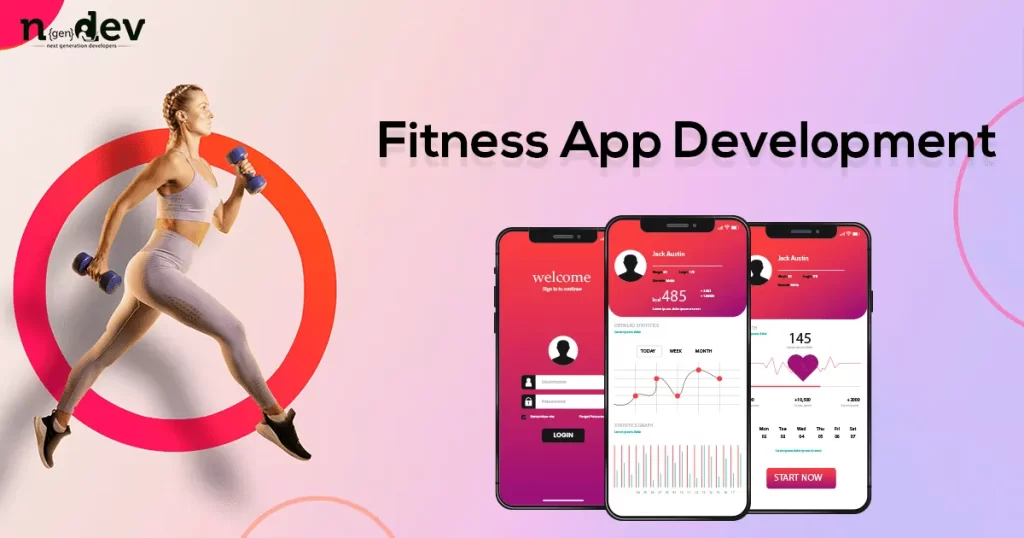
    Latest Trends Fitness App Development, Features, Types, and Costs

    Latest Trends Fitness App Development, Features, Types, and Costs Harshid Patel Fitness and wellness are everyone’s first priorities. In today’s digitally growing world, people now prioritize their nutrition and exercise more than they once did on online shopping. A strong body encourages a clear mind, and a healthy brain will generate original, creative ideas and lead to accomplishment. The common thing to know is that everyone in the world likes to stay healthy. Fortunately, the development of fitness apps has also entailed a comprehensive digital conversion since the dawn of the computer age. Moreover, the development of fitness apps has brought about a variety of methodologies, from creating a healthy diet to performing exercises for weight loss. with just one tap on their smartphones. This increase is primarily attributable to the global coronavirus pandemic, which has caused consumers to stay in and change their lifestyle habits and exercise routines. Not many of the apps on your smartphone are harmful. What does a fitness mobile application make life fit  is one of many questions that come to mind. huh, Let us explain. Now let us continue to learn more about it, including its features, method, and purpose. Table of content Add a header to begin generating the table of contents A FITNESS APP: WHAT DOES IT MEAN? A Fitness App: What does it mean? Developing a fitness app involves much more than just creating a workout app for the gym. This app is necessary for  keeping  human health on a daily basis. Nowadays, everything is possible with mobile apps. Everybody prefers everything on their mobile device. Fitness apps have offered interactive and creative solutions to health-related issues, which helps bridge the gap. To give exercises or health recommendations via the mobile interface, an activity monitoring system is fairly straightforward. Delivering exercises or health recommendations via the mobile interface requires only a very basic activity tracking system. The software will direct you in keeping an eye on yourself or having others evaluate your performance and provide methods for improvement. Get a glimpse of what developing fitness apps entails now. Let’s talk about its type. Android andiOS both have a wide variety of applications available. Many different types of fitness apps The first thing that springs to mind is how to make a fitness app you need to be aware of its many varieties.Moreover, there are several varieties of fitness applications on the market. The fitness applications provide their From a commercial perspective, creating a fitness app is an excellent option if you’re considering getting into the fitness industry. There are some popular fitness apps available in the market. Nutrition and Diet apps Meditation apps Smart instructors Workout and exercise apps Activity tracking application DIET AND NUTRITION APPS Activity tracking app Developers build a fitness app to assist users in achieving their goals. Is it reasonable to assume that you want to keep track of your daily progress or the duration of activity in your region as well? When consumers install the applications, the smartphone’s motion sensor then requests permission to collect data. Apps collect user details about the walking distance and steps taken, sleeping time, and calories burned. Also to read:-   Hotel Booking App Development In 2023: Features, Cost, And Business Models The app screen displays all of the user’s data, and it typically includes chat functionality. Additionally, by encouraging users to adopt better habits, this knowledge helps it become a market favourite. Users of the activity monitoringapp receive a detailed report on their health status and today’s activities. The diet and nutrition applications let users keep track of their body weight, create specific goals, and keep a diet log. The applications provide you with a detailed picture of users’ age, height, and weight. Due to the fact that they monitor your eating habits, diet and nutrition apps can also be categorised as activity monitoring apps. The main difference is that this diet and nutrition app has more features than the others. Workout and exercise apps If you don’t have time to go to a gym or other fitness classes, the workout and exercise app is a very practical option. Our list’s broadcast category is exercise apps. However, as the name suggests, they are very committed to their workouts. Its main purpose is to demonstrate to clients what actions to take and explain in detail how to do them. Additionally, it offers users the ability to watch recorded video sessions on their iOS and Android devices. All the data that apparel collects appears instantly on smartphones. The app’s goals include creating a fitness app with typical workouts as well as exploring other activities. Features of fitness app development Fitness App Development Admin Panel Fitness App Development Admin Panel Analytical dashboard manage payment Workout and exercise plan efficient scheduling live streaming Users management Fitness App Development Users Pane Easy to register or log in User Profile Social media integration Customized Work out and Diet Plans Push Notification System & updates Geolocation Payment integration Goals setting and Tracker what is the cost of developing a fitness app? Only an estimation of your app development costs determined by the fitness app development company’s past experience and specific knowledge of comparable projects will be given. We can also remark that the blog post on the overall price of developing fitness apps has been extremely well received. However, without a clear demand, it is challenging and difficult to estimate the cost of creating a fitness app. Please keep in mind that all of the estimates below are quite preliminary. However, there are numerousimportant elements that significantly affect how much it will cost to design a fitness app. Platform :-   Android, Windows, and iOS are the top three platforms for software development. Due to the fact that iOS and Android use different programming languages, creating apps for both platforms at once will cost twice as much. Furthermore, Flutter app development enables the development of cross-platform solutions for iOS and Android while cutting the overall cost by up to 50%. the high demand for Flutter experts and the possibility that complicated items may not be appropriate for the technology. Design:-   It takes time and money to create a UI/UX design that is both aesthetically pleasing and user-friendly. However, as users like using smart apps, design is a vital success component. For one platform—iOS or Android—UI/UX designers need a time to build a design. Testing cost :-  If you pick manual or automated testing, the cost varies greatly depending on your decision. The complexity of the app :- The price of developing a fitness app affects difficulty as well. The creation of fitness apps is impacted by features, platform choice, complexity, and other factors. We are unable to pinpoint the ideal price for the creation of fitness apps since each has different needs.  Collaboration with us and sharing your needs are the greatest ideas. A Conclusion The ever-growing emphasis on fitness and wellness has led to a surge in fitness app development. These apps have become an indispensable tool for maintaining daily health and bridging the gap between users and their fitness goals. With a wide range of fitness app types available, including nutrition, meditation, workout, and activity tracking apps, users can find solutions tailored to their specific needs. The cost of developing a fitness app varies based on factors like platform, design, testing, and complexity. To create a successful fitness app, collaborating with experienced developers and sharing specific requirements is essential. Embrace the digital fitness revolution for a healthier future. Get Free consultation and let us know about your custom web and Mobile App project idea Over , we have built 210+ web and mobile apps We can help you with Dedicated Developer delivering

    Latest Trends Fitness App Development, Features, Types, and Costs Read More »

    hotel booking banner

    Hotel Booking App Development In 2023: Features, Cost, And Business Models  

    Hotel Booking App Development In 2023: Features, Cost, And Business Models   Harshid Patel People all over the world love to travel because it allows them to experience new cultures, sees unique sights, and try new cultural foods and flavours. meeting new people and trying new things, travellers are able to broaden their horizons and have unforgettable experiences. Travellers all over the world are familiar with new and upcoming technologies. When you require the best advice and guidance on develop a hotel booking app development. Can you manage your trip properly when you’re going on a trip without planning with your family and friends? Proper planning is essential for a successful trip, including arranging transportation such as a taxi, hotel booking, and more. That is why many people use hotel booking apps to ensure they have all the necessary arrangements in place. According to the data, travel & tourism sector is expected to generate 73% of its revenue through online sales by 2026. We have a lot to discuss regarding the booking app’s business model, features, and development costs. However, there is one key point we want to highlight. According to a study, most travellers around the world are using new technologies to make their work easier. They are looking to book hotels using apps that fit their needs and preferences. If you own a hotel, this article is for you. It is a good opportunity for you to invest in technology. we know what you are thinking about hotel booking app development cost to create, what features, and many more. Different types of business models for hotel booking app development. However, when you reach the hotel app development company, we can offer you, different models. It includes advertising, merchant, aggregator, and dedicated models. This model you can select will highly impact the key features and cost of hotel app development. hotel-booking-app-development-in-2023-features-cost-and-different-business-modelsWe offer different models for hotel app development, including advertising, merchant, aggregator, and dedicated models. The model you choose will affect the key features and cost of development. Table of Contents Add a header to begin generating the table of contents Different Types of Business Models For Developing Hotel Apps First and foremost, you must determine which business model is best for your hotel booking app development. including merchant, aggregator, hybrid, advertising, and dedicated models. he models you choose will affect the key features and cost of hotel app development. Merchant Model – The merchant model refers to hotel app owners and hotel owners sign the contract,where a hotel app owner directly sells rooms to customers online. In this model, the hotel app acts as a middleman between the customer and the hotel, handling the booking process and payment. The hotel app owner earns a commission or fee for each booking made through the app. This model is popular among hotel apps because it allows hotels to reach a wider audience and reduces the burden of managing bookings and payments. Aggregator model – The aggregator model is a type of business model used by hotel booking apps It allows users to search and compare prices for hotel rooms from multiple sources, such as online travel agencies and hotel chains. The app then displays the available options and allows the user to make a reservation directly through the app. The app earns a commission from the hotel or online travel agency for each booking made through the app. Advertising Mode – The advertising model of hotel apps allows many different hotels to advertise their rooms and services through an app. These advertising apps typically operate on a pay-per-click basis, where the hotel pays a fee every time a user clicks on their ad. Hotel booking app development can be done in-house or through a third-party company, and the finished product typically includes a booking page where users can easily reserve a room. Various advertising apps can be used to promote a hotel’s app and bring in more bookings. Dedicated Model – A dedicated model of a hotel app allows users to book tables at a restaurant and make hotel reservations through the app. Hotel booking app development involves creating and designing the app for this specific purpose, which uses this revenue to cover operating costs and potentially make a profit. A hotel booking business can use this app to facilitate and manage reservations made by customers. Benefits of Hotel Booking Application Development App benefits to all users including customers, hotels, travel agents, and app business owners. A hotel booking app is a great option for everyone including customers, hotels, travel agents, and app business owners. Increased convenience for customers: With a hotel booking app, customers can easily search for and book rooms on the go, without having to call the hotel or visit the hotel’s website on a computer. Merchant Model – A hotel booking app can provide a more personalised experience for customers, allowing them to save their preferences and easily access their booking history. Increased efficiency – Hotel staff can use the app to manage bookings and customer information, streamlining the booking process and reducing the risk of errors. Enhanced marketing opportunities – A hotel booking app can allow hotels to reach a wider audience and target specific customer segments with personalising promotions and deals. Increased revenue: A hotel booking app can help hotels increase occupancy rates and revenue by making it easier for customers to book rooms. Also to read:-   A Complete Guide For Taxi Booking App Development Features of Hotel Booking App  Features are the main pillar of the hotel booking app development. Personalisation – A hotel booking app is able to personalise the user experience by remembering preferences and history. This includes their favourite hotels, preferred room types, and other preferences to make future bookings easier. Booking and Cancellation – Make it easy for users to book and cancel hotel rooms in real-time. This feature makes it simple and straightforward for the users  Search Features – Users can search for hotels based on location, a property’s images, price range, and other factors

    Hotel Booking App Development In 2023: Features, Cost, And Business Models   Read More »

    Scroll to Top