GraphQL vs REST API: Performance Benchmarks for Modern Applications
-
 Harshid Patel
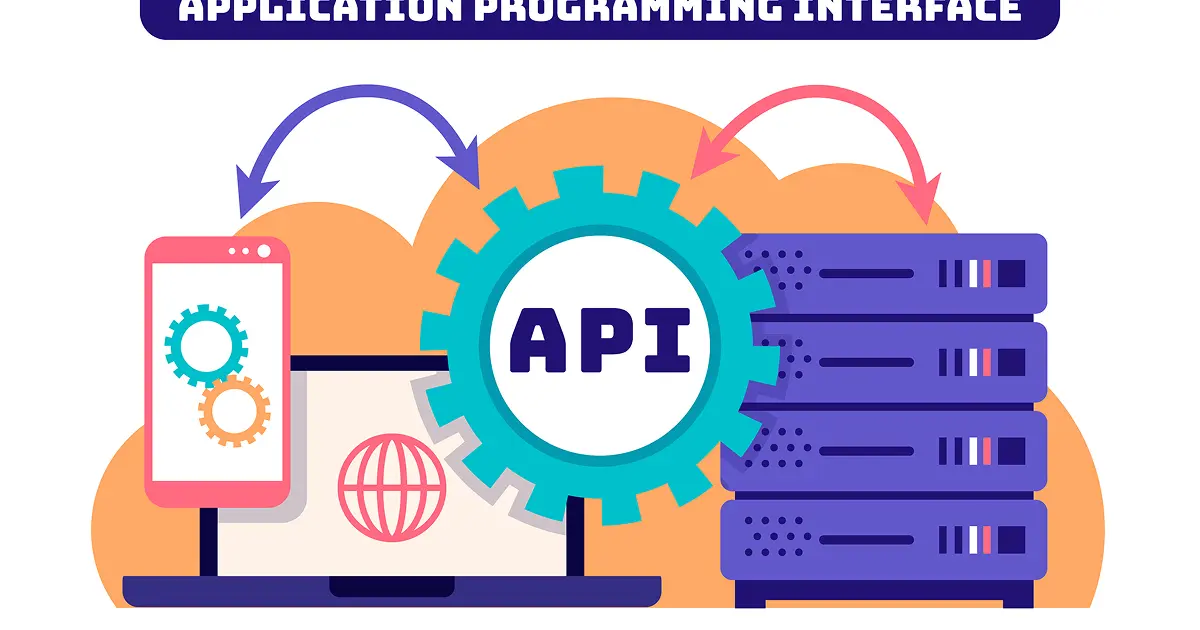
API architecture decisions significantly impact application performance and development velocity. REST has dominated web APIs for over two decades with proven stability. GraphQL emerged promising to solve REST’s limitations through flexible queries. In 2026, both approaches power successful applications making the choice less obvious than advocates suggest. Performance differences vary dramatically based on use cases and implementation quality. Many organizations rush to GraphQL chasing perceived benefits without understanding trade-offs. Real-world benchmarks reveal surprising results contradicting common assumptions. This guide examines actual performance data from production applications comparing GraphQL and REST.
Understanding Core Architectural Differences
Performance implications stem from fundamental design philosophies.
REST APIs expose resources through fixed endpoints returning predetermined data structures. Clients receive complete resource representations regardless of actual needs. Multiple endpoints are called sequentially for related data creating network round-trips.
GraphQL provides single endpoint accepting queries specifying exact data requirements. Servers return precisely requested fields eliminating over-fetching. Related data loads in single request through nested queries reducing round-trips.
GraphQL typically reduces total bandwidth by 30-50% compared to REST for complex queries. REST often over-fetches data clients discard wasting bandwidth. However, GraphQL query parsing adds server-side computational overhead REST avoids.
Response Time Performance Benchmarks
Real measurements from production applications reveal actual performance characteristics.
REST outperforms GraphQL by 15-25% for simple queries fetching single resources. REST’s straightforward request-response cycle has less overhead. GraphQL’s query parsing and resolution add 20-40ms latency for basic operations.
GraphQL excels with 40-60% faster response times when fetching related data. Single GraphQL request replaces 3-5 sequential REST calls eliminating round-trip delays. Network latency dominates performance making GraphQL’s aggregation valuable.
REST with Server-Sent Events performs comparably to GraphQL subscriptions. GraphQL subscriptions add complexity without significant performance advantages. WebSocket implementations perform similarly regardless of underlying protocol.
Bandwidth and Data Transfer Analysis
Network efficiency differs significantly between approaches across scenarios.
REST endpoints typically return 40-70% more data than clients actually need. Mobile applications on limited data plans suffer from unnecessary data transfer. Bandwidth costs increase proportionally with over-fetched data.
REST clients often need 2-4 sequential requests gathering complete data. Each request adds network round-trip latency compounding delays. Mobile networks with high latency particularly suffer from multiple round-trips.
Well-designed GraphQL queries eliminate both over-fetching and under-fetching. Query complexity must be monitored preventing abusive queries degrading performance. Poorly written GraphQL queries can perform worse than REST alternatives.
Server Resource Utilization Patterns
GraphQL query parsing and resolution increases CPU usage 20-35% compared to REST. Complex queries with deep nesting amplify computational requirements. REST’s simpler processing reduces server infrastructure costs.
GraphQL servers typically consume 15-25% more memory caching schemas and resolvers. Memory usage scales with query complexity and concurrent requests. REST’s stateless nature keeps memory overhead predictable and lower.
REST’s URL-based caching integrates seamlessly with HTTP infrastructure and CDNs. GraphQL caching requires sophisticated solutions like persisted queries. Traditional HTTP caching provides significant performance benefits REST leverages naturally.
Developer Productivity and Maintenance
GraphQL enables frontend teams to iterate 30-40% faster without backend changes. Flexible queries eliminate waiting for new endpoints during feature development. Type-safe GraphQL clients catch errors during development reducing bugs.
GraphQL backends require 25-40% more initial development time than REST. Schema design and resolver implementation adds complexity. REST’s simplicity enables faster backend iteration in early stages.
GraphQL’s introspection provides self-documenting APIs reducing documentation burden. REST requires manual documentation maintenance creating consistency challenges. API versioning is simpler in REST while GraphQL enables gradual evolution.
Real-World Implementation Considerations
REST integrates seamlessly with established HTTP infrastructure and monitoring tools. GraphQL requires specialized tooling for logging, monitoring, and debugging. Migration costs must be considered beyond pure performance metrics.
REST’s simplicity allows faster team onboarding and knowledge transfer. GraphQL requires significant learning investment before productive implementation. Available talent pool for REST development is substantially larger.
REST benefits from decades of mature tooling and established best practices. GraphQL ecosystem continues evolving with occasional breaking changes. Production stability considerations favor mature technologies.
Conclusion
In the realm of mobile app development, choosing the right tools is crucial for success. Flutter, React Native, Ionic, Xcode, and Swift each offer unique advantages that cater to different project requirements. Consider your project’s scope, target platforms, and your development team’s skillset when making your decision. With the power of these tools, you’re well-equipped to embark on an app-building journey that yields optimal results.
Frequently Asked Questions
GraphQL generally performs better for mobile apps by reducing bandwidth usage and round-trips. REST works well for simple mobile apps with straightforward data needs. Mobile network latency makes GraphQL’s single-request advantage particularly valuable.
REST leverages standard HTTP caching with CDN support providing significant performance benefits. GraphQL requires specialized caching solutions like Apollo Client or persisted queries. REST’s caching advantage is substantial for read-heavy applications.
Poorly implemented GraphQL resolvers can make hundreds of database queries for single request. N+1 problems degrade performance by 10-100x compared to optimized queries. DataLoader and query batching solve N+1 issues restoring performance.
Performance is comparable as both use WebSockets for real-time communication. GraphQL subscriptions provide better developer experience with unified API. REST webhooks are simpler to implement and debug.
Migration should be driven by specific problems GraphQL solves, not trend-following. Incremental adoption using both APIs strategically is often optimal. Complete migration rarely justifies costs unless REST limitations cause significant issues.
Get Free consultation and let us know about your custom web and Mobile App project idea

Over 14+ years of work experience, we have built 210+ web and mobile apps
We can help you with
- Dedicated Developer
- delivering high-quality development
- Custom Mobile App Development
- Innovative Solution For Startups and Enterprise
Latest Blogs
Explore the Latest Blogs on Trends and Technology.