
The Future of Mobility Apps: EV Charging, Smart Parking & More
-
 Harshid Patel
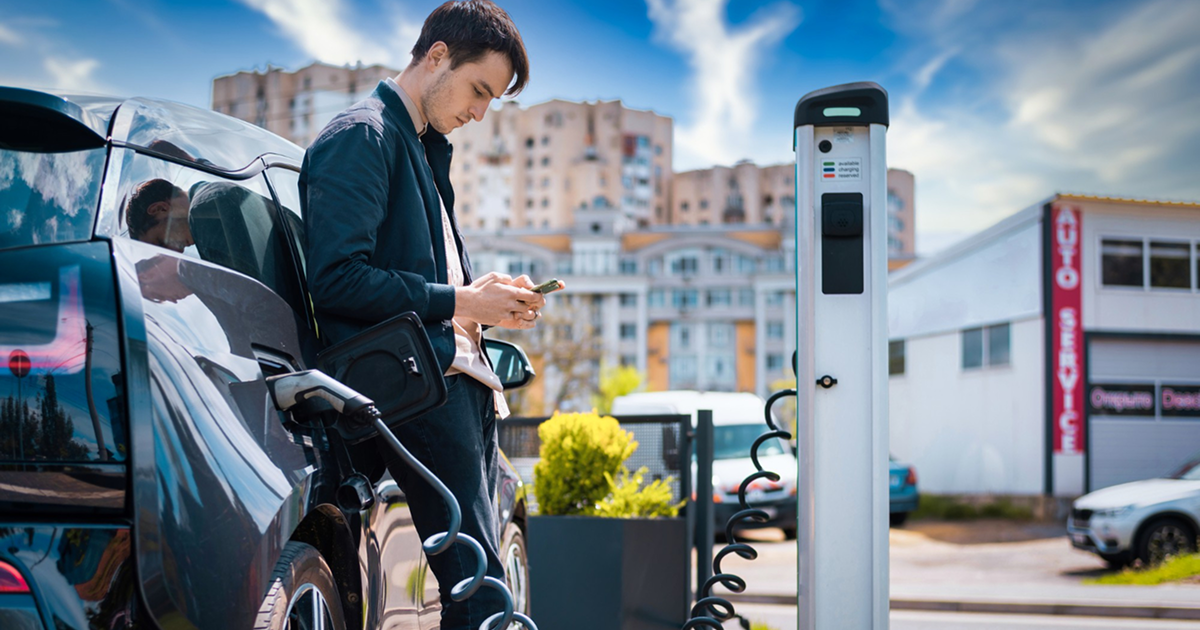
Mobility apps are changing how people move, park, and travel in cities. With the rise of electric vehicles, smart infrastructure, and connected devices, mobility apps are becoming smarter and more useful. These apps help users find EV charging stations, book parking spaces, plan routes, and reduce travel time. Governments and businesses are investing heavily in smart mobility solutions to support sustainable and efficient transportation. This blog explains how mobility apps are evolving and what the future holds for EV charging, smart parking, and more.
Android Studio: Unveiling the Power of Android App Development
Growth of EV Charging Apps in Smart Mobility
Electric vehicles are driving the demand for smart mobility apps.
EV charging apps help users locate nearby charging points quickly. Real-time maps and availability status reduce waiting time and improve convenience.
Users receive updates on charging progress and station availability. This helps drivers plan travel without range anxiety.
EV charging apps support digital payments and subscriptions. This creates a smooth and cashless charging experience for users.
Apps suggest routes that include charging stations along the way. This helps users complete long journeys without stress.
Modern EV apps support multiple vehicle brands and charging standards. This improves compatibility and user experience.
Smart Parking Apps Transforming Urban Travel
Smart parking apps show available parking spots in real time. This helps drivers avoid unnecessary searching and saves fuel.
Users can reserve parking spots before reaching their destination. This improves planning and reduces last-minute stress.
Apps integrate with sensors and cameras for automatic entry. This reduces manual checks and speeds up parking operations.
Parking apps adjust prices based on location and demand. This improves space usage and encourages off-peak parking.
Smart parking apps connect with city systems. This helps authorities manage traffic and parking more efficiently.
Role of AI and IoT in Mobility Apps
IoT sensors collect data on traffic, parking, and charging stations. Apps use this data to provide accurate updates.
AI analyses traffic patterns to suggest faster routes. This helps users save time and reduce congestion.
AI predicts issues in charging stations or parking systems. Early alerts improve reliability and reduce downtime.
Apps suggest routes and services based on user behaviour. This creates a customised travel experience.
AI helps detect unusual activity or system issues. This improves safety for users and operators.
Mobility Apps Supporting Sustainable Transportation
EV charging apps make electric vehicles easier to use. This supports cleaner transportation and reduced emissions.
Smart routing and parking features reduce unnecessary driving. This lowers fuel usage and pollution.
Mobility apps share insights with city planners. This helps design better transport infrastructure.
Apps support car-sharing, bike-sharing, and ride pooling. This reduces the number of vehicles on the road.
Mobility apps play a major role in smart city development. They connect transportation with digital infrastructure.
Future Trends Shaping Mobility Apps
Future apps will combine charging, parking, navigation, and payments in one platform. This improves convenience.
Mobility apps will support self-driving vehicle systems. This will change how users plan travel.
Voice commands will allow users to interact with apps while driving. This improves safety and ease of use.
Apps will work across cities and regions. This helps travellers use the same app everywhere.
Advanced analytics will help improve services. Data insights will support better mobility decisions.
Conclusion
The future of mobility apps is focused on smarter, cleaner, and more connected transportation. EV charging apps, smart parking solutions, and AI-powered mobility platforms are making travel easier and more efficient. These apps support sustainable transport, reduce congestion, and improve urban living. As cities grow and technology advances, mobility apps will become an essential part of daily travel and smart city ecosystems.
Frequently Asked Questions
Mobility apps help users find charging stations, parking spaces, routes, and transport services, making travel easier and more efficient.
EV charging apps provide real-time station availability, route planning, and digital payments, reducing range anxiety for users.
Smart parking apps reduce traffic congestion, save fuel, and help cities manage parking spaces more effectively.
Mobility apps use AI, IoT, GPS, cloud computing, and data analytics to deliver real-time and personalised services.
Yes, future mobility apps will offer unified platforms, autonomous vehicle support, and smarter city integration.
Get Free consultation and let us know about your custom web and Mobile App project idea

Over 14+ years of work experience, we have built 210+ web and mobile apps
We can help you with
- Dedicated Developer
- delivering high-quality development
- Custom Mobile App Development
- Innovative Solution For Startups and Enterprise
Latest Blogs
Explore the Latest Blogs on Trends and Technology.