Online Marketing Strategies For Small Business
Prashant Padmani2026-05-29T05:08:52+00:00In the ever-evolving digital landscape, small businesses are seeking effective online marketing strategies to establish their presence, reach their target audience, and thrive in competitive markets. The realm of online marketing offers a myriad of opportunities for growth, but navigating through the plethora of strategies can be overwhelming. This comprehensive guide aims to demystify the world of online marketing for small businesses, providing actionable insights and practical tips to enhance visibility, attract customers, and boost revenue.
Understanding the Importance of Online Marketing for Small Businesses
today’s digital age, online marketing is not a luxury but a necessity for small businesses. It levels the playing field, allowing them to compete with larger counterparts on a global scale. Whether you’re a local bakery or an e-commerce startup, a robust online presence can significantly impact your bottom line.
Crafting a Solid Online Presence
Creating a user-friendly and visually appealing website is the foundation of any online marketing strategy. Optimize your website for search engines by incorporating relevant keywords and ensuring a seamless user experience.
Mobile Responsiveness:
With the increasing use of smartphones, ensure that your website is mobile-friendly. Google prioritizes mobile-responsive websites, positively impacting your search engine rankings.
Leveraging Social Media Platforms Effectively2.2
Before diving into social media marketing, identify your target audience. Each platform caters to a specific demographic, and tailoring your content accordingly enhances engagement.
Create compelling content that resonates with your audience. Utilize a mix of images, videos, and text to keep your social media profiles dynamic and interesting.
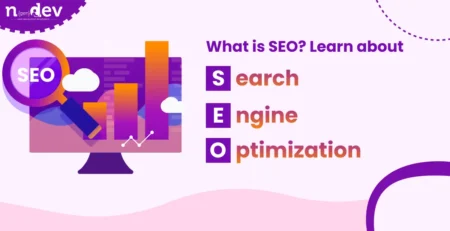
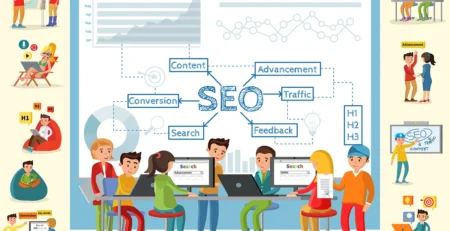
Search Engine Optimization (SEO) Tactics for Small Businesses
Thorough keyword research is the cornerstone of effective SEO. Identify relevant keywords and incorporate them naturally into your website content, meta descriptions, and headers.
Local SEO:
For small businesses targeting local markets, optimize your website for local searches. Claim your Google My Business listing and encourage customer reviews to enhance local visibility.
Email Marketing: A Time-Tested Strategy
Build a permission-based email list by offering incentives such as discounts or exclusive content. Regularly communicate with your subscribers to keep them engaged and informed about your products or services.
Segment your email list and tailor your campaigns to specific customer segments. Personalization increases open rates and fosters a stronger connection with your audience.
Content Marketing Strategies to Engage Your Audience
Develop content that adds value to your audience’s lives. Whether it’s blog posts, infographics, or videos, prioritize quality over quantity.
Collaborate with influencers or industry experts through guest blogging. This not only diversifies your content but also expands your reach to new audiences.
Pay-Per-Click (PPC) Advertising: Maximizing ROI
Craft targeted PPC campaigns to reach specific demographics. Utilize Google Ads or social media advertising platforms to maximize your return on investment.
Regularly monitor the performance of your PPC campaigns. Analyze data, identify what works, and make adjustments to optimize your ad spend.
Building and Nurturing Customer Relationships
Engage with your audience through social listening. Monitor online conversations about your brand and respond promptly to build positive relationships.
Implement customer loyalty programs to reward repeat customers. Building a loyal customer base is more cost-effective than constantly acquiring new customers.
Analytics and Data-Driven Decision Making
Integrate analytics tools such as Google Analytics to track website performance. Analyzing user behavior provides valuable insights for refining your online marketing strategy.
Conduct A/B testing on various elements of your online campaigns. Data-driven decisions based on testing results can significantly improve conversion rates.
Integrating Online and Offline Marketing Efforts
Ensure consistency in branding across online and offline channels. A cohesive brand image builds trust and recognition among your target audience.
Implement methods to measure the impact of online marketing efforts on offline sales. This holistic approach provides a comprehensive view of your overall marketing effectiveness.
Conclusion
In conclusion, implementing effective online marketing strategies is paramount for the success of small businesses in today’s digital era. By crafting a solid online presence, leveraging social media, optimizing for search engines, and integrating various online marketing channels, small businesses can not only survive but thrive in competitive markets.
Frequently Asked Questions
What is the significance of online marketing for small businesses?
Online marketing is crucial for small businesses as it allows them to compete on a global scale, reach a wider audience, and establish a strong brand presence in the digital landscape.
How can small businesses optimize their websites for search engines?
Small businesses can optimize their websites by conducting thorough keyword research, incorporating relevant keywords into content and meta descriptions, and ensuring a mobile-responsive design.
Why is social media engagement important for small businesses?
Social media engagement is vital for small businesses as it helps build a community around the brand, increases brand awareness, and provides a platform for direct interaction with customers.
What role does content marketing play in online strategies?
Content marketing is essential for engaging the audience, providing value, and establishing authority in the industry. Quality content attracts and retains customers, driving long-term success.
How can small businesses measure the effectiveness of their online marketing efforts?
Small businesses can measure effectiveness through analytics tools, A/B testing, and monitoring key performance indicators (KPIs) such as website traffic, conversion rates, and customer engagement.