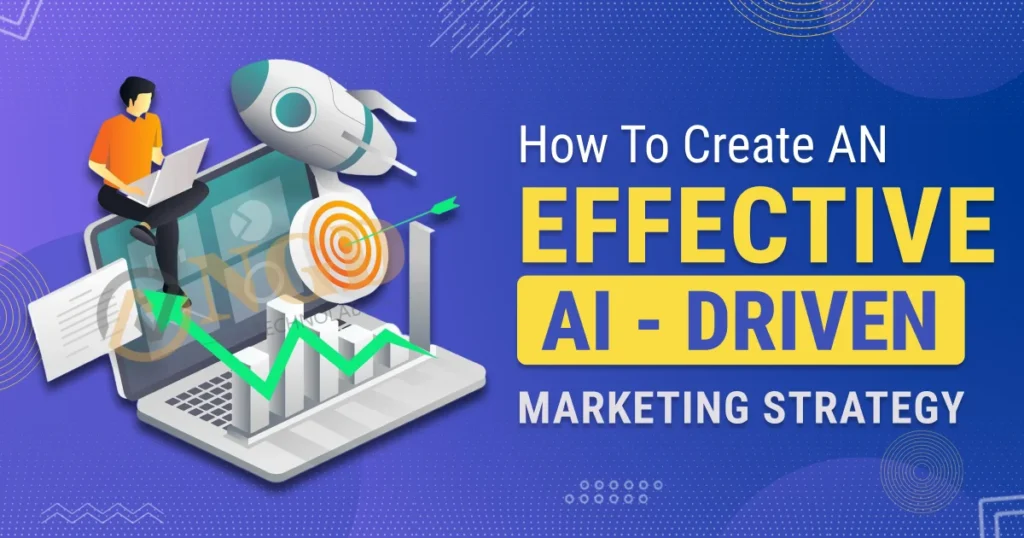
Marketing is no longer just about creativity and catchy slogans. In today’s fast-paced digital world, data and technology drive success. Among the many technologies shaping marketing, Artificial Intelligence (AI) is the biggest game changer.
From personalised product recommendations on Amazon to chatbots answering customer queries instantly, AI is changing the way businesses reach and engage their audience. But here’s the thing — simply using AI tools is not enough. To get real results, you need a clear AI-driven marketing strategy.
In this blog, we’ll explore how to create an effective AI-driven marketing strategy, step by step. Whether you’re running a small business or a large enterprise, these strategies will help you stay ahead of competitors and deliver better experiences to customers.
Why AI in Marketing is Important
AI is no longer a future concept. Today, businesses of all sizes are using AI for tasks like analysing customer behaviour, predicting sales trends, and automating marketing campaigns. According to reports, more than 80% of marketers already use some form of AI tool.
Earlier, marketing relied heavily on guesswork, surveys, and manual analysis. But AI removes guesswork by analysing large amounts of data, understanding customer behaviour, and making real-time decisions. For example, instead of sending the same email to all customers, AI helps you send personalised messages that match each person’s interests.
Steps to Create an AI-Driven Marketing Strategy
Before jumping into AI tools, start by asking: What do I want to achieve? It could be increasing sales, improving customer engagement, or reducing marketing costs. Clear goals guide your AI strategy and ensure better results.
AI thrives on data. Collect information from multiple sources — website traffic, social media, customer feedback, and sales records. Organise this data in a structured way so AI tools can analyse it effectively.
AI can identify customer patterns that humans might miss. For example, it can tell you which products sell more in a specific season or what time of day customers are most active online. These insights help in designing smarter campaigns.
Customers love personalised experiences. AI helps you send the right message at the right time. Think of Netflix recommending shows based on your viewing history or Amazon suggesting products you’re likely to buy. Small businesses can do the same using AI tools for email marketing, chatbots, and ads.
d database manages user data, bookings, and transactions efficiently.
Instead of manually running ads or emails, AI can automate campaigns. For example, AI can automatically send a discount code to a customer who added items to their cart but didn’t purchase. This saves time and increases conversion rates.
Predictive analytics uses past data to predict future behaviour. For example, AI can predict which customers are most likely to unsubscribe from your service, so you can take action to retain them.
AI tools like Grammarly, Jasper, or SurferSEO help create and optimise content for blogs, ads, and social media. They ensure your message is engaging and reaches the right audience.
An AI-driven marketing strategy is not a one-time effort. Keep monitoring results with AI dashboards and analytics tools. Regularly update strategies based on performance data to stay effective.
Benefits of AI-Driven Marketing
AI analyses customer behaviour deeply, giving businesses a clear picture of what customers want.
With smarter targeting and personalisation, businesses spend less on ads while getting better results.
AI provides instant insights, helping marketers make quick and accurate decisions.
AI makes it easy to handle large amounts of data and manage thousands of customers at the same time, something humans cannot do efficiently.
Challenges of Implementing AI in Marketing
Collecting and using customer data must follow privacy laws like GDPR. Mishandling data can harm a brand’s reputation.
AI tools and platforms can be expensive, and not every business has the technical team to manage them.
While AI is powerful, businesses must not depend only on technology. Human creativity and emotional connection remain vital for marketing success.
Conclusion
AI is transforming marketing by making it smarter, faster, and more personalised. But success doesn’t come from tools alone — it comes from having a clear AI-driven strategy.
By setting clear goals, collecting and analysing customer data, using AI for personalisation, and continuously improving campaigns, businesses can achieve better results and build stronger customer relationships.
The future of marketing is AI + human creativity working together. If businesses adopt AI wisely, they’ll not only save money and time but also create customer experiences that truly stand out.
Frequently Asked Questions
What is an AI-driven marketing strategy and how does it help modern businesses grow?
An AI-driven marketing strategy is a data-powered approach where artificial intelligence is used to analyse customer behaviour, predict trends, and automate tasks. It helps marketers deliver personalised campaigns, improve engagement, and make smarter decisions using real-time insights.
AI marketing only useful for big companies, or can small businesses benefit from it too?
No, AI marketing isn’t just for large businesses. Today, small and medium-sized companies can easily access affordable AI tools for email marketing, chatbots, content generation, and social media automation. These tools help them compete effectively without needing a huge marketing budget.
Can artificial intelligence completely replace human marketers in the future?
AI cannot fully replace human marketers. While AI excels at automating repetitive work, analysing data, and optimising ads, it still lacks creativity, emotional understanding, and strategic thinking — qualities that only humans bring to marketing. The best results come when AI and human expertise work together.
What are the most effective and popular AI tools used in digital marketing today?
Some of the most popular AI marketing tools include HubSpot, Salesforce Einstein, Jasper, ChatGPT, and Google Analytics. These platforms help with automation, customer insights, content creation, and data-driven decision-making, making campaigns more efficient and result-oriented.
How does AI improve customer experience?
AI enhances customer experience by analysing user data to offer personalised recommendations, respond instantly through chatbots, and predict customer needs before they arise. It helps brands build stronger relationships, reduce response time, and deliver more relevant, satisfying experiences.