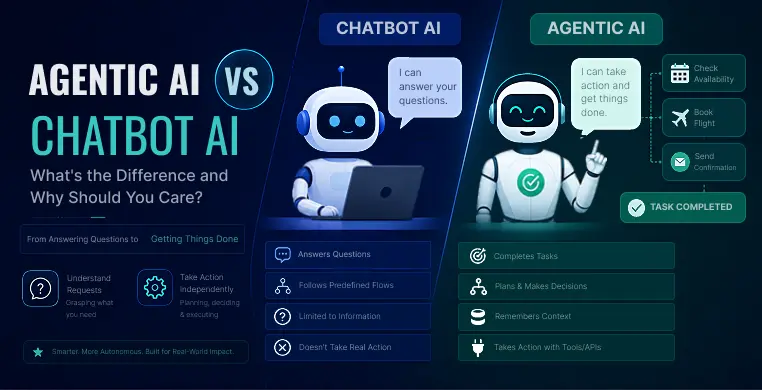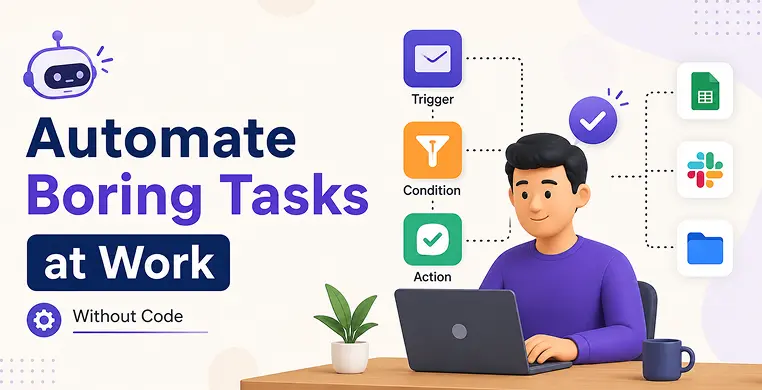
Marketing in 2026 is no longer just about campaigns and ads — it is about real-time, personalized conversations with customers. Businesses are shifting from traditional communication methods to smarter, automated interactions powered by chatbots and conversational AI. Customers expect instant responses, personalized recommendations, and seamless support across platforms like websites, WhatsApp, and social media. Meeting these expectations manually is nearly impossible at scale. This is where chatbots and conversational AI are transforming marketing automation. They help businesses engage customers, nurture leads, and drive conversions without human intervention.
Benefits of Developing a Mobile App
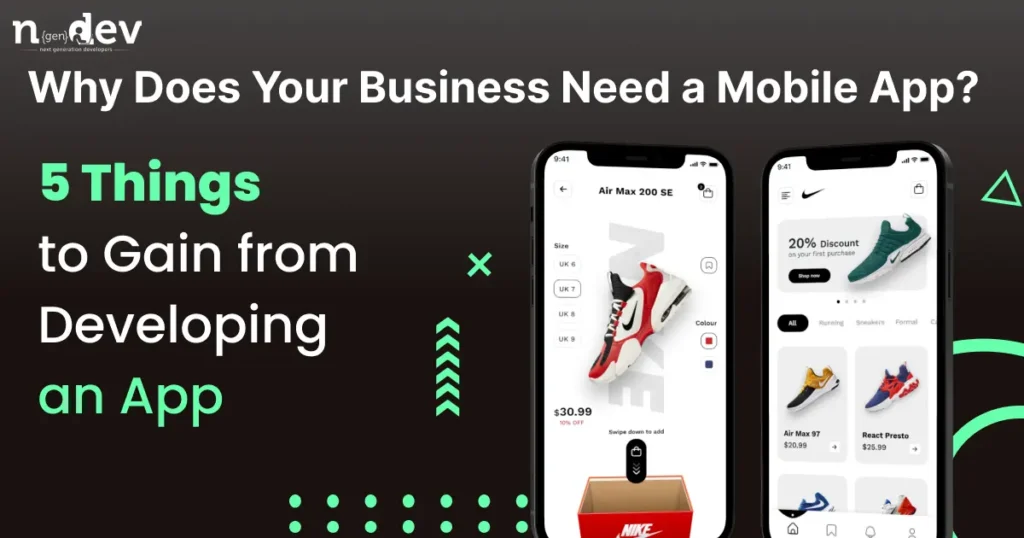
When it comes to synonyms for “enhanced,” think “improved” or “elevated.” A mobile app elevates customer engagement by offering a platform for direct communication. It allows for push notifications, personalized content, and in-app messaging, ensuring that your brand is always on your customer’s radar.
A mobile app significantly increases brand visibility. Synonyms like “prominence” and “recognition” highlight how your brand becomes more prominent in the digital landscape. Apps often feature in app stores, making it easier for potential customers to discover your business.
Streamlining, or optimizing, your business operations is made more accessible with mobile apps. Think of “efficiency” and “simplification” as synonyms that fit well here. Features like inventory management, appointment scheduling, and order processing are all enhanced through the use of mobile applications.
In a crowded marketplace, gaining a competitive edge is paramount. Synonyms like “advantage” or “lead” underscore the importance of staying ahead. Having a well-designed, user-friendly mobile app gives your business the advantage it needs to outperform competitors.
Handling thousands of customer interactions manually is not practical for growing businesses.
Key Considerations Before App Development
Before delving into the world of app development, it’s crucial to define your app’s purpose. Synonyms like “objective” or “intention” highlight the importance of clarity in your app’s mission. This step helps ensure that your app aligns with your business goals.
Selecting the right approach for app development is a pivotal decision. Synonyms for “approach” include “strategy” and “method.” You must decide whether a native, hybrid, or web app aligns with your goals and budget.
Synonyms like “financial planning” and “cost assessment” emphasize the need to budget accurately for app development. It’s essential to consider the development and maintenance costs, as well as any unexpected expenses that might arise.
Monetizing your app is a crucial consideration. Synonyms like “profit-making” and “revenue generation” underscore the significance of establishing a sustainable revenue model for your app. This can include in-app purchases, subscription plans, or ad revenue.
The App Development Process
Conceptualizing your app involves generating ideas and creating a plan for development. Synonyms for “conceptualization” include “ideation” and “conception.” This phase sets the direction for your app’s development.
Loved What You Just Read?
Let's Build Something Just as Great — For Your Business.
From web & mobile apps to UI/UX, AI solutions, and digital marketing — NGD Technolab turns ideas into scalable, real-world products. 14+ years, 550+ projects, one team you can rely on.
The design phase focuses on the app’s visual appeal and user experience. Synonyms like “user interface (UI) design” and “user-friendly” highlight the significance of creating an intuitive and visually pleasing app.
Development and testing go hand in hand. Synonyms like “coding” and “quality assurance” underscore the importance of a smooth development process and rigorous testing to ensure a bug-free app.
Launching your app is a milestone. Synonyms like “introduction” and “release” reflect the significance of this event. Effective marketing is essential to attract users, and various strategies, such as app store optimization and social media promotion, play a vital role.
Conclusion
In conclusion, developing a mobile app for your business is no longer a luxury; it’s a necessity in the digital age. The advantages of creating an app include increased visibility, enhanced user engagement, streamlined customer communication, and a competitive advantage. To succeed in the mobile app world, it’s essential to set clear objectives, choose the right platform, focus on design and development, and rigorously test your app before deployment. By following these steps, your business can thrive in today’s competitive market.
Frequently Asked Questions
Do small businesses also benefit from mobile app development?
Absolutely. Small businesses can gain significant advantages from mobile apps, including increased customer engagement, brand recognition, and a competitive edge.
How much does it cost to develop a mobile app for a business?
The cost of app development varies based on factors like complexity, features, and platform. It’s essential to work with a professional app development team to get an accurate estimate for your specific project.
Can I update my app after it's been deployed?
Yes, app updates are common and necessary to fix bugs, enhance features, and adapt to changing user needs. Most app stores allow for regular updates.
What is the typical timeframe for app development?
The timeline varies based on the app’s complexity, but it can take several months from planning to deployment. It’s crucial to set realistic expectations and allow for proper testing and refinement.