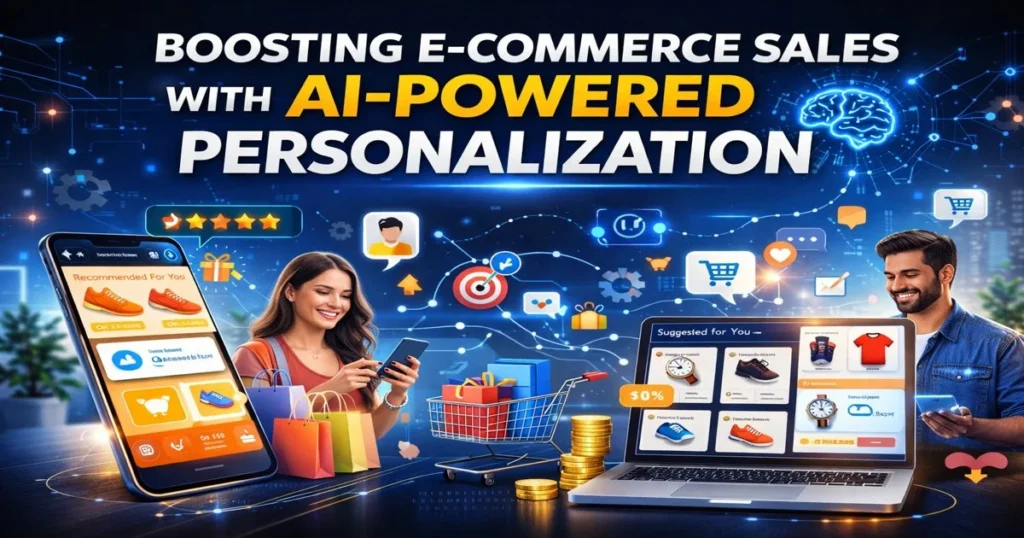
E-commerce in 2026 is no longer just about listing products online — it is about delivering highly personalized shopping experiences that convert visitors into loyal customers. Customers today expect brands to understand their preferences, recommend relevant products, and provide a seamless shopping journey. Businesses that fail to personalize lose customers to competitors who offer smarter and more engaging experiences. Artificial Intelligence (AI) is making this possible at scale. From product recommendations to personalized offers and dynamic content, AI-powered personalization is helping e-commerce businesses increase sales and improve customer satisfaction.
Why Personalization Matters in E-commerce
Customer expectations have changed significantly, making personalization essential.
Customers prefer brands that understand their needs and show relevant products instead of generic listings.
With thousands of online stores offering similar products, personalization becomes a key differentiator.
Personalized experiences increase conversion rates, average order value, and customer retention.
What is AI-Powered Personalization
Understanding the concept helps businesses implement it effectively.
AI analyzes customer data such as browsing behavior, purchase history, and preferences to deliver tailored experiences.
Machine learning algorithms process large volumes of data to identify patterns and predict what customers are likely to buy next.
AI-powered personalization enables real-time recommendations, targeted marketing, and improved customer engagement.
Key AI Personalization Techniques
AI suggests products based on user behavior, similar purchases, and browsing history. Platforms like Amazon use this extensively to drive sales.
Websites display different banners, offers, and product listings based on individual user preferences.
AI helps send targeted emails with product recommendations and offers tailored to each customer.
AI improves search results by understanding user intent and showing the most relevant products.
AI tracks user actions and triggers personalized offers or discounts at the right time to increase conversions.
How AI Increases E-commerce Sales
Showing relevant products increases the chances of purchase.
Upselling and cross-selling become more effective with AI recommendations.
Personalized experiences build stronger relationships and encourage repeat purchases.
AI can trigger reminders, offers, or recommendations to bring customers back and complete purchases
Real-World Use Cases in 2026
AI recommends outfits based on user style, preferences, and past purchases.
Customers receive personalized suggestions based on their browsing and buying patterns.
AI suggests frequently bought items and creates personalized shopping lists.
AI recommends products based on skin type, preferences, and past usage.
Challenges Businesses Should Consider
Collecting and using customer data requires proper security and compliance with regulations.
Advanced AI tools may require investment in technology and expertise.
Personalization is only as good as the data collected. Poor data leads to poor recommendations.
Choosing the Right Personalization Strategy
Begin with basic recommendation engines and gradually expand to advanced personalization features.
Loved What You Just Read?
Let's Build Something Just as Great — For Your Business.
From web & mobile apps to UI/UX, AI solutions, and digital marketing — NGD Technolab turns ideas into scalable, real-world products. 14+ years, 550+ projects, one team you can rely on.
Identify key touchpoints where personalization can make the biggest impact.
Choose AI platforms that integrate easily with your e-commerce system.
Track metrics like conversion rate, average order value, and customer retention to evaluate success.
Conclusion
In 2026, AI-powered personalization is one of the most powerful tools for boosting e-commerce sales. Businesses that deliver personalized experiences can attract more customers, increase conversions, and build long-term loyalty. From product recommendations to targeted marketing, AI is transforming how e-commerce operates. Investing in personalization today is essential for staying competitive and maximizing revenue in the digital marketplace.
Frequently Asked Questions
What is AI-powered personalization in e-commerce?
It is the use of AI to analyze customer data and deliver personalized shopping experiences, recommendations, and offers.
How does personalization increase sales?
By showing relevant products and offers, it improves conversion rates and encourages higher spending.
Is AI personalization expensive?
It can start with affordable tools and scale as your business grows.
Can small businesses use AI personalization?
Yes. Many tools offer scalable solutions suitable for small and medium businesses.
Is customer data safe with AI systems?
Yes, if proper security measures and compliance standards are followed.