
Navigating the Digital Highway
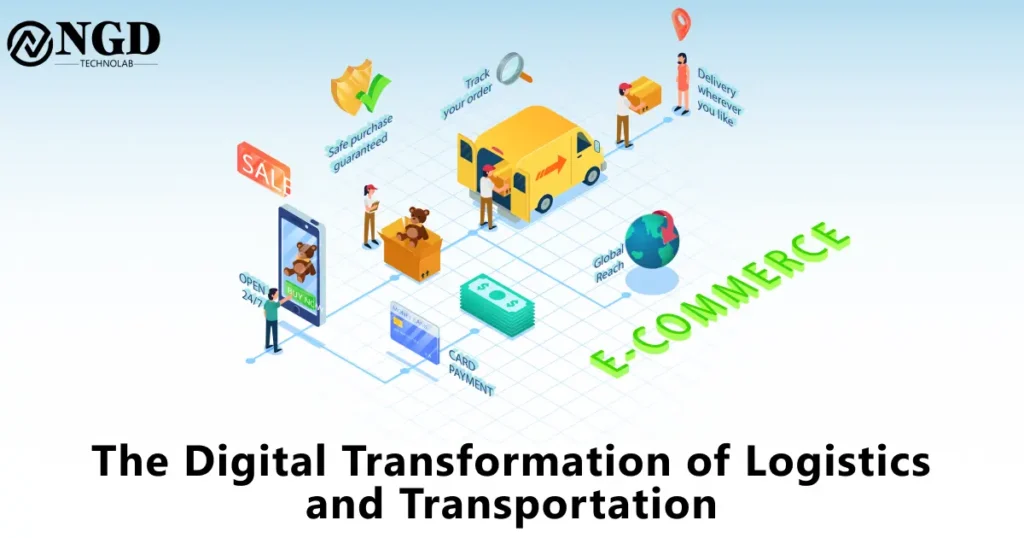
The digital transformation of logistics starts with reimagining traditional routes and adopting smart technologies. GPS tracking, route optimization algorithms, and real-time monitoring redefine how goods move from point A to B. Embracing this digital highway ensures quicker deliveries, reduced fuel consumption, and a more agile response to unforeseen challenges.
The Role of Artificial Intelligence in Logistics
AI emerges as logistical brainpower, analyzing vast datasets to optimize routes, predict maintenance needs, and enhance demand forecast. This intelligent decision-making not only improves operational efficiency but also minimizes costs, a crucial factor in an industry where margins are often tight.
IoT Revolutionizing Transportation Management
The IoT revolutionizes transportation management by connecting vehicles, containers, and warehouses. Smart sensors provide real-time insights into the condition of goods, enabling proactive maintenance and minimizing losses. The result? A more connected and responsive logistics ecosystem.
Blockchain: A Game-Changer for Supply Chain Transparency
Blockchain disrupts the conventional supply chain by introducing transparency and traceability. From manufacturer to consumer, every transaction is securely recorded, mitigating risks of fraud and ensuring the authenticity of products. The decentralized nature of blockchain enhances trust across the supply chain.
Automation and Robotics in Warehousing
Warehousing undergoes a metamorphosis with the integration of automation and robotics. Automated sorting systems, robotic pickers, and autonomous forklifts enhance speed and accuracy, reducing manual errors and optimizing storage space
Big Data Analytics Drive Smart Decision-Making
Big Data analytics emerge as the driving force behind informed decision-making. By crunching vast amounts of data, businesses gain insights into consumer behavior, market trends, and operational inefficiencies, allowing for strategic adjustments that align with evolving demands.
Loved What You Just Read?
Let's Build Something Just as Great — For Your Business.
From web & mobile apps to UI/UX, AI solutions, and digital marketing — NGD Technolab turns ideas into scalable, real-world products. 14+ years, 550+ projects, one team you can rely on.
Sustainable Practices in Logistics
In the era of environmental consciousness, sustainability takes center stage. Electric vehicles, eco-friendly packaging, and energy-efficient practices contribute to greener logistics, meeting the growing demand for eco-conscious supply chain solutions.
Challenges and Solutions in Digital Transformation
While digital transformation brings numerous benefits, it also poses challenges such as cybersecurity threats, the need for upskilling the workforce, and integration complexities. Addressing these challenges head-on is crucial to ensuring a seamless transition to a digitally empowered logistics landscape.
The Future Landscape of Logistics and Transportation
The journey doesn’t end here. The future promises further integration of emerging technologies, such as 5G connectivity, autonomous vehicles, and predictive analytics. The digital transformation of logistics is an ongoing narrative, with each chapter unveiling new possibilities and reshaping the industry’s destiny.
Conclusion
In closing, the digital transformation of logistics and transportation is not a destination but a continuous journey of evolution. Embracing technology is not just an option; it’s a necessity for survival and growth. As the industry adapts to the digital era, the synergy between human expertise and technological prowess becomes the cornerstone of success.
Frequently Asked Questions
How does AI impact route optimization in logistics?
AI analyzes historical data, traffic patterns, and real-time information to optimize routes, ensuring efficient and timely deliveries.
What role does blockchain play in ensuring supply chain transparency?
Blockchain securely records every transaction, creating an immutable and transparent ledger that enhances traceability and authenticity across the supply chain.
How are robotics transforming warehouse operations?
Robotics automate tasks such as sorting, picking, and packing in warehouses, improving efficiency, reducing errors, and optimizing storage space.
What are the key challenges in the digital transformation of logistics?
Challenges include cybersecurity threats, the need for upskilling the workforce, and integration complexities that require strategic solutions.
What does the future hold for the logistics and transportation industry in terms of technology?
The future entails further integration of technologies like 5G connectivity, autonomous vehicles, and predictive analytics, shaping a more advanced and responsive logistics landscape.