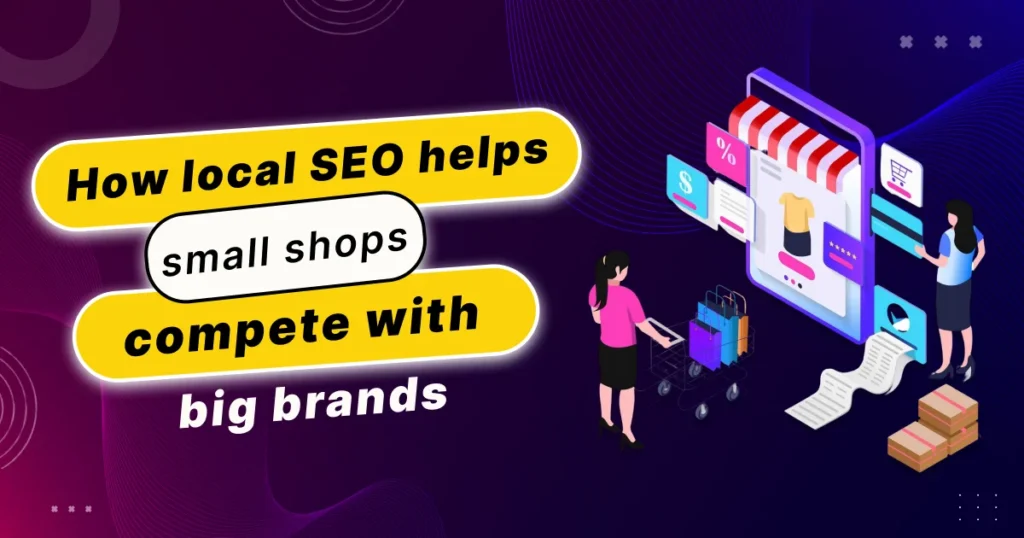
Local SEO helps small shops appear in top local searches when people look for services near their area. It improves visibility on Google Maps, boosts Google My Business ranking, and brings more customers without big marketing costs. With strong local SEO for small business, even small shops can compete directly with large brands.Marketing in 2026 is no longer just about campaigns and ads — it is about real-time, personalized conversations with customers. Businesses are shifting from traditional communication methods to smarter, automated interactions powered by chatbots and conversational AI. Customers expect instant responses, personalized recommendations, and seamless support across platforms like websites, WhatsApp, and social media. Meeting these expectations manually is nearly impossible at scale. This is where chatbots and conversational AI are transforming marketing automation. They help businesses engage customers, nurture leads, and drive conversions without human intervention.
Stronger Visibility in Local Search Results
Targeting Local Search Keywords: Using keywords like “near me” and location-based search terms helps small shops reach customers searching for nearby services. It improves local search optimization and drives high-intent traffic
Google Maps SEO Boost: When shops optimize their listing, they appear higher on Google Maps. This increases calls, direction requests, and walk-in customers.
Brands must engage users quickly and effectively to stay ahead of competitors.
Higher Local Click-Through Rate: Local results in the top three positions get most of the clicks. This helps small shops gain more visitors than big brands that may not target local keywords.
Better Google My Business Ranking
Adding Complete Business Details: Accurate name, address, photos, services, and timings build trust and improve Google My Business ranking. Customers feel more confident choosing your shop.
Posting Updates and Offers: Regular posts on GMB keep customers engaged and signal Google that your business is active. This boosts visibility and interactions.
Getting Customer Actions: More clicks, calls, and direction requests show Google that customers find your profile helpful. This increases your GMB ranking score.
Winning Against Big Brands with Local Intent
Hyper-Local Keyword Targeting: Big brands do not target small-area keywords. Small shops can easily outrank them by using location-based SEO keywords.
Replying to Reviews Builds Loyalty: Responding to reviews shows customers that you care about their experience. This builds trust and improves your reputation.
High Rating Increases Conversions: Shops with strong ratings are more likely to attract new customers compared to larger brands with low ratings.
Customer Reviews Improve Ranking and Trust
Reviews Improve Local Ranking: Reviews are a strong ranking factor for Google Maps SEO. Shops with good reviews appear higher and get more customers.
High Rating Increases Conversions: Shops with strong ratings are more likely to attract new customers compared to larger brands with low ratings.
Strong Mobile Presence: A mobile-friendly website increases customer engagement and helps convert searchers into buyers.
Affordable Marketing With Big Results
Lower Cost Than Ads: Local SEO delivers long-term results without needing continuous paid ads. This helps small shops save money.
Organic Foot Traffic Growth: More visibility leads to more real customers visiting your shop. This grows your business naturally.
More Value for Small Businesses: Local SEO services provide the best ROI for small businesses trying to grow with a limited budget.
Mobile Searches Drive Instant Customers
High “Near Me” Search Traffic: Most users search on mobile when they need something quickly, and local SEO helps shops appear at the top instantly.Simple chatbots may fail to handle complex queries effectively.
Loved What You Just Read?
Let's Build Something Just as Great — For Your Business.
From web & mobile apps to UI/UX, AI solutions, and digital marketing — NGD Technolab turns ideas into scalable, real-world products. 14+ years, 550+ projects, one team you can rely on.
Fast Loading Local Pages: Optimized mobile pages load faster and rank better on Google. This improves customer experience. Conversational AI systems require proper training and data for accurate responses.
Strong Mobile Presence: A mobile-friendly website increases customer engagement and helps convert searchers into buyers.
Conclusion
Local SEO is the most effective and affordable way for small shops to compete with big brands. With strong Google Maps SEO, optimized Google My Business ranking, customer reviews, and local keyword targeting, small businesses can grow visibility and attract more customers. Local SEO for small business is simple, powerful, and necessary for long-term success.
Frequently Asked Questions
Does local SEO help small shops compete with big brands?
Yes, local SEO helps small shops appear at the top when people search for nearby services, giving them an advantage over big brands.
How does Google My Business help in local SEO?
An optimized Google My Business profile increases visibility, calls, and direction requests, helping customers find the shop easily.
How long does local SEO take to show results?
Most small shops start seeing improvements within 30 to 60 days when they follow strong local SEO strategies.
Which is the best company for local SEO services?
NGD Technolab offers professional local SEO services that help small shops improve Google Maps ranking and reach more local customers.
Can small shops outrank big brands with local SEO?
Yes, with the right local keywords, reviews, and optimization, small shops can rank higher than big brands in local searches.