The Evolution of Online Jewelry Shopping
E-commerce has transformed the jewelry industry, making it easier for consumers to browse and buy from the comfort of their homes. The trend continues to grow, creating immense opportunities for online jewelry shopping apps.
Today’s consumers prioritize convenience, authenticity, and variety when shopping for jewelry online. Developers must focus on delivering seamless, trustworthy experiences to meet these expectations.
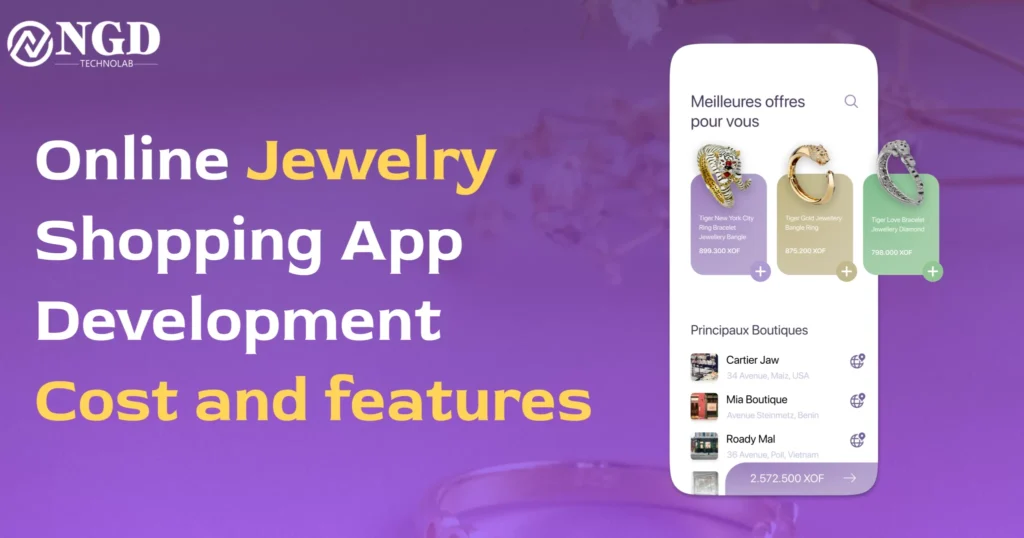
Online Jewelry Shopping App Development Overview
For jewelers entering the digital market, understanding app development basics is crucial. A well-designed app can enhance customer reach and boost sales.
Success in the competitive online jewelry market requires identifying target audiences, analyzing competitors, and implementing standout strategies.
Must-Have Features for Online Jewelry Shopping Apps
A clean, easy-to-navigate interface enhances user experience and encourages engagement.
AR technology allows users to virtually try on jewelry, increasing confidence in their purchase decisions.
Robust security features, including encrypted payment gateways, are essential to protect user data and build trust.
Offering customization options for jewelry pieces can attract users looking for unique products.
Customer feedback helps build credibility and influence purchase decisions.
Cost Breakdown for Developing an Online Jewelry Shopping App in 2025
Development costs include coding, testing, and debugging, typically varying based on app complexity.
Investing in professional design services can add to the overall budget depending on the level of detail and quality required.
AR integration and secure payment setups contribute to the total investment needed for app development.
Regular updates and maintenance require ongoing resources for optimal performance.
Challenges in Online Jewelry App Development
Ensuring robust security measures is critical to protect sensitive user information.
Showcasing jewelry with high-resolution images and videos is essential for customer satisfaction.
Efficient inventory systems prevent stock issues and ensure timely deliveries.
Standing out in a saturated market requires innovation, marketing, and strategic partnerships.
Best Practices for a Successful Online Jewelry Shopping App
Linking the app with social media platforms enhances user engagement and marketing reach.
AI-driven suggestions based on user behavior can boost sales and improve user experience.
A quick and secure checkout process reduces cart abandonment rates.
Effective marketing strategies, including influencer collaborations and targeted ads, are essential for brand growth.
Loved What You Just Read?
Let's Build Something Just as Great — For Your Business.
From web & mobile apps to UI/UX, AI solutions, and digital marketing — NGD Technolab turns ideas into scalable, real-world products. 14+ years, 550+ projects, one team you can rely on.
Success Stories in Online Jewelry Shopping
A pioneer in online diamond retail, Blue Nile’s digital-first approach sets a benchmark.
Known for its customization options, James Allen offers an unparalleled shopping experience.
Etsy supports independent jewelers, enabling them to reach global customers.
Conclusion
Developing an online jewelry shopping app in 2025 offers immense potential. By focusing on essential features, managing development costs, addressing challenges, and implementing best practices, developers can create successful apps that meet modern consumer needs.
Frequently Asked Questions
What features are essential for an online jewelry shopping app?
A user-friendly interface, AR try-on, secure payments, customization options, and customer reviews.
How much does it cost to develop an online jewelry shopping app?
Costs vary depending on features and complexity.
What are common challenges in developing such apps?
Security, high-quality visuals, inventory management, and market competition.
Why is marketing important for jewelry apps?
Marketing boosts brand visibility, attracts users, and drives sales.
How can an app stand out in a competitive market?
Unique features, effective marketing, and personalized user experiences.