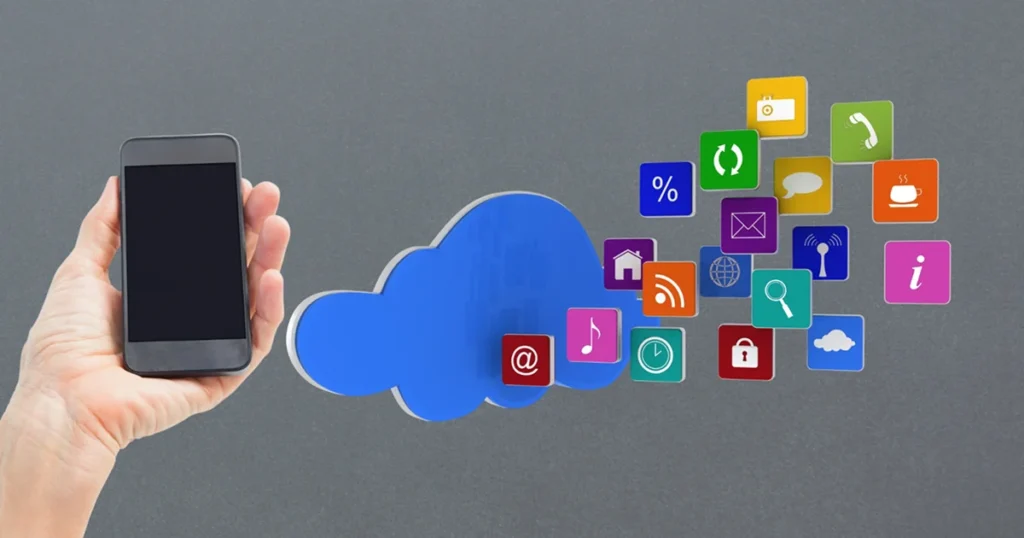
Your phone probably has 30-40 apps installed right now. One for food delivery, another for cab booking, separate apps for banking, shopping, and messaging. Switching between apps constantly feels normal but actually wastes time and phone storage. Superapps solve this problem by combining multiple services into one powerful platform. WeChat in China lets people message, pay bills, order food, and book appointments all in one app. Grab in Southeast Asia handles rides, deliveries, payments, and financial services together. In 2026, superapps are finally gaining traction in India and worldwide as businesses realize the competitive advantage. Users love the convenience while companies benefit from deeper customer relationships. This blog explores why superapps represent the future of mobile experiences and what makes them so powerful.
What Makes an App a Superapp
Not every app with multiple features qualifies as a true superapp.
Superapps create complete ecosystems where services connect and enhance each other. Payments made through the app work across all services seamlessly. User data shared across features enables personalized experiences everywhere.
True superapps let third-party developers build mini-apps inside the main platform. Users access these services without leaving or downloading separate apps. The superapp becomes an operating system for daily life.
Each new service attracts more users while more users attract more service providers. This virtuous cycle makes superapps stronger over time. Competitors struggle to match the combined value of integrated services.
Why Superapps Are Growing Rapidly Now
Several factors align to make 2026 the breakthrough year for superapps.
People are tired of managing dozens of apps and multiple accounts. Phone storage fills up quickly with individual apps for every service. Users increasingly prefer platforms that handle everything in one place.
Cloud infrastructure and APIs make connecting different services easier than ever. Payment systems integrate smoothly across services. Modern development frameworks support building complex multi-service platforms efficiently.
Companies with superapps see 40-60% higher user engagement than single-purpose apps. Cross-selling between services increases revenue per user significantly. Customer lifetime value multiplies when users depend on one platform for multiple needs.
Also Read:- AI-Driven Development for Business Growth – Leading Mobile App Development Company in India
Key Features That Define Successful Superapps
Certain capabilities separate winning superapps from failed attempts.
One wallet works across all services eliminating repeated payment entries. Users can pay for rides, food, shopping, and bills from the same balance. Seamless payments remove friction and encourage spending.
Single sign-on across services
Log in once and access all features without separate registrations. User profiles sync across all services automatically. This convenience keeps users inside the ecosystem.
AI analyzes behavior across all features to suggest relevant services. Food delivery history influences restaurant recommendations in social features. Cross-service personalization creates experiences individual apps cannot match.
Industries Being Disrupted by Superapps
Banking, investments, insurance, and loans all available in one platform. Users manage complete financial lives without switching apps. Traditional banks struggle competing against this integrated convenience.
Commerce and marketplace consolidation
Shopping, food delivery, grocery ordering, and local services combined. One platform handles product discovery, ordering, payment, and delivery tracking. Standalone e-commerce apps lose customers to comprehensive alternatives.
Ride booking, bike rentals, package delivery, and freight services unified. Users choose transportation modes based on needs without different apps. Logistics networks benefit from shared infrastructure across services.
Challenges in Building Superapps
Integrating multiple services while maintaining performance requires advanced architecture. Each new service addition risks breaking existing features. Scalability becomes challenging as user base and services grow.
Different services face different regulations that must all be satisfied. Payment services need banking licenses while healthcare requires different approvals. Navigating multiple regulatory frameworks slows expansion.
Adding too many features overwhelms users making apps confusing. Too few services fail to justify being called a superapp. Finding the right balance requires constant user feedback and iteration.
Loved What You Just Read?
Let's Build Something Just as Great — For Your Business.
From web & mobile apps to UI/UX, AI solutions, and digital marketing — NGD Technolab turns ideas into scalable, real-world products. 14+ years, 550+ projects, one team you can rely on.
The Future of Superapps in India
Indian users are comfortable with digital payments and multiple services. Smartphone penetration continues growing rapidly. Infrastructure improvements support heavier apps with more features.
Companies like Tata Neu and Paytm are building superapp ecosystems. They understand Indian consumer behavior better than foreign platforms. Localization gives them advantages over international competitors.
The superapp market is not settled yet with room for innovation. Niche superapps focusing on specific demographics or regions can succeed. Businesses that move quickly can capture loyal user bases before market matures.
Conclusion
Superapps represent a fundamental shift in how people interact with mobile services. The convenience of accessing multiple services through one platform creates compelling user value. Network effects and integrated experiences make superapps increasingly difficult for single-purpose apps to compete against. Technology advancement and changing user preferences align perfectly in 2026 to enable superapp growth. While building successful superapps presents significant technical and regulatory challenges, the business benefits justify the investment. India’s market conditions particularly favor superapp adoption with digital-savvy users and improving infrastructure. Companies that successfully create superapp ecosystems will dominate their markets as users consolidate around comprehensive platforms. The next few years will determine which players establish themselves as the superapps of India and beyond.
Frequently Asked Questions
What is the difference between a superapp and a regular multi-feature app?
Superapps integrate multiple independent services into one ecosystem where features enhance each other. Regular multi-feature apps simply bundle related functions. Superapps allow third-party mini-apps and create network effects that regular apps cannot.
Why are superapps more successful in Asia than in Western countries?
Asian markets have higher mobile-first adoption and less attachment to individual branded apps. Regulatory environments in Asia often favor platform consolidation. Western markets have stronger data privacy regulations that complicate integrated platforms.
Can small businesses build superapps or only large companies?
Large companies have advantages in resources and existing user bases. However, niche superapps targeting specific communities or regions can succeed with smaller teams. Focus and execution matter more than size.
How do superapps make money?
Superapps earn through transaction fees across multiple services, advertising to captive audiences, premium subscriptions, and data-driven insights. Multiple revenue streams create stronger business models than single-service apps.
Will superapps replace individual apps completely?
Superapps will dominate mainstream users seeking convenience. Specialized apps will continue serving users needing advanced features in specific categories. Both will coexist with superapps capturing the majority of everyday users.